
ART PhotograpHY SCIENCE
MaRK KESLING
Workshops & Classes
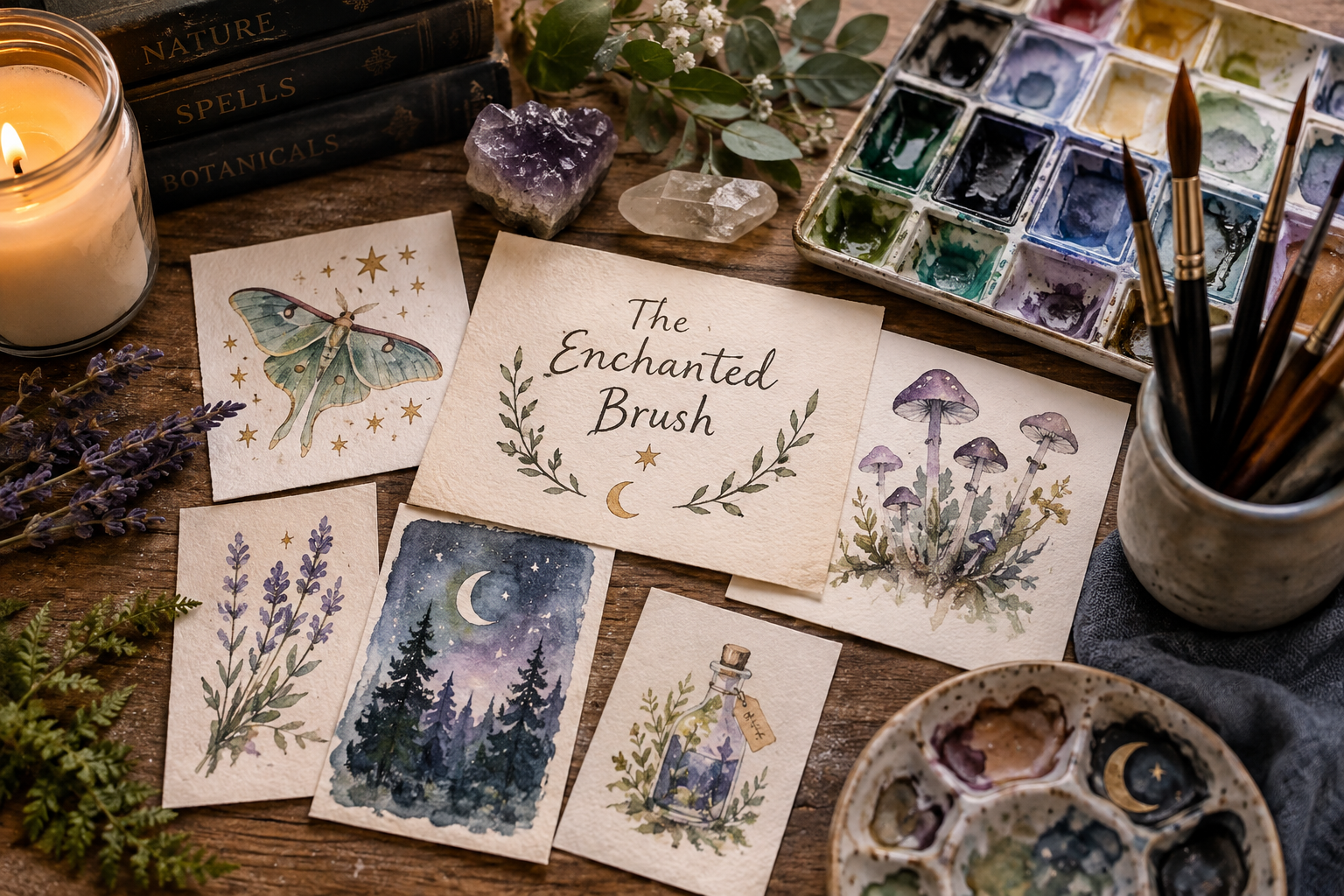
The Enchanted Brush: Watercolor Magic in Four Sessions October 2026
The Enchanted Brush: Watercolor Magic in Four Sessions Sessions: Session One – Watercolor Magic: Color, Water & the Unexpected https://www.eventbrite.com/e/2001388584131?aff=oddtdtcreator The first session introduces watercolor as a medium particularly suited to...

Seeing Like a Naturalist June 8, 2026
Seeing Like a Naturalist Register Required Book: “A Field Guide to Cape Cod: Including Nantucket, Martha’s Vineyard, Block Island, and Eastern Long Island”; Patrick J. Lynch; Yale University Press; ISBN 978-0300226157 (All Books Can be purchased at Brewster Book...

From Sketching to Painting June 1, 2026
From Sketching to Painting Register Required Book: “Painting Nature: Techniques, Tutorials and Projects”; Gemma Koomen; Quadrille; ISBN 978-1837832750 (All Books Can be purchased at Brewster Book Store) Suggested Books: “Botanical Watercolor Painting for Beginners: A...

Watercolor Techniques and Supplies May 18, 2026
Watercolor Techniques and Supplies Register Required Book: “Painting Nature: Techniques, Tutorials and Projects”; Gemma Koomen; Quadrille; ISBN 978-1837832750 (All Books Can be purchased at Brewster Book Store) Suggested Books: “Botanical Watercolor Painting for...

Finding Inspiration May 11, 2026
Finding Inspiration Register Required Book: “Painting Nature: Techniques, Tutorials and Projects”; Gemma Koomen; Quadrille; ISBN 978-1837832750 (All Books Can be purchased at Brewster Book Store) Suggested Books: “Botanical Watercolor Painting for Beginners: A...

Nature and Art May 4, 2026
Nature and Art Ended Required Book: “Painting Nature: Techniques, Tutorials and Projects”; Gemma Koomen; Quadrille; ISBN 978-1837832750 (All Books Can be purchased at Brewster Book Store) Suggested Books: “Botanical Watercolor Painting for Beginners: A...

Reawakening Imagination April 27, 2026
Reawakening Imagination Ended Required Book: “Morning Altars: A 7-Step Practice to Nourish Your Spirit through Nature, Art, and Ritual”; Day Schildkret; Countryman Press; ISBN 978-1682682517 (All Books Can be purchased at Brewster Book Store) Suggested Books: “The...

Nourishing Awareness April 20, 2026
Nourishing Awareness Ended Required Book: “Morning Altars: A 7-Step Practice to Nourish Your Spirit through Nature, Art, and Ritual”; Day Schildkret; Countryman Press; ISBN 978-1682682517 (All Books Can be purchased at Brewster Book Store) Suggested Books: “The Wild...

Light, Color, and Composition April 15, 2026
Light, Color, and Composition Ended Required Book: “Visually Speaking: Mastering Photography as a Visual Language”; Ted Forbes; Cider Mill Press; ISBN 978-1646434350 (All Books Can be purchased at Brewster Book Store) Suggested Books: “Color and Light in Nature”;...

Finding Light in Dark Places April 13, 2026
Finding Light in Dark Places Ended Required Book: “Morning Altars: A 7-Step Practice to Nourish Your Spirit through Nature, Art, and Ritual”; Day Schildkret; Countryman Press; ISBN 978-1682682517 (All Books Can be purchased at Brewster Book Store) Suggested Books:...
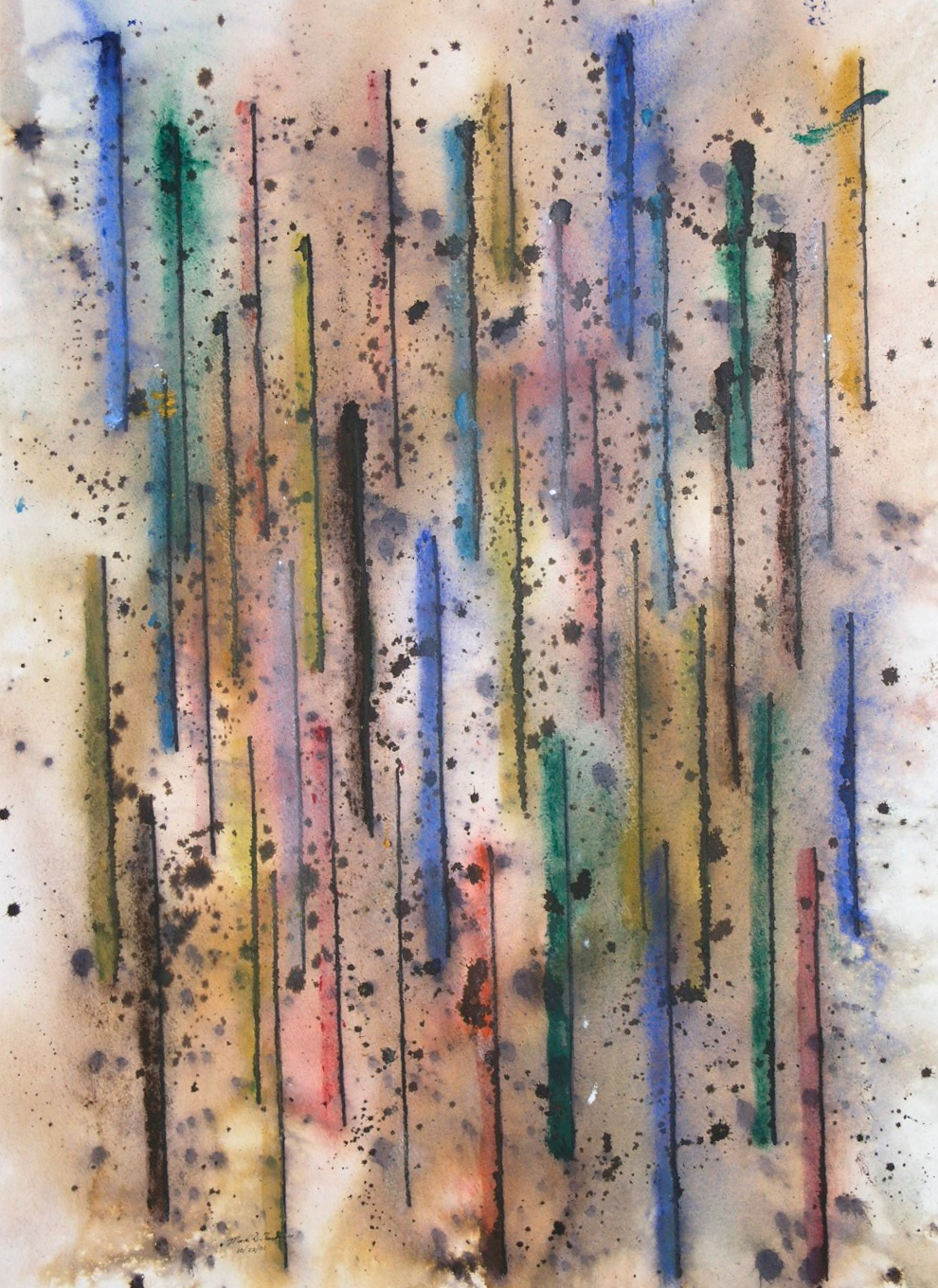
ARTIST
My work lives at the intersection of observation, curiosity, and experimentation. Using watercolor, mixed media, and design, I explore how light, color, and pattern shape the way we see and understand the natural world. Whether working from direct observation or memory, I’m drawn to moments where science, art, and lived experience overlap—where a simple mark can suggest movement, energy, or change.
Watercolor is central to my practice because of its unpredictability and responsiveness. I allow the medium to lead as much as I do, embracing accidents, transparency, and layered surfaces. Mixed media elements—ink, collage, graphite, and digital processes—extend this dialogue, adding structure, rhythm, and contrast. Together, these materials mirror the way we perceive the world: fluid, layered, and always in motion.
As a designer, I bring a sensitivity to composition, balance, and visual communication into my artwork. As an educator, I approach making as a form of inquiry. Teaching and creating inform one another; both are rooted in slowing down, paying attention, and learning how to truly see. My work invites viewers to look closely, notice subtle details, and reconnect with a sense of curiosity often lost in everyday life.
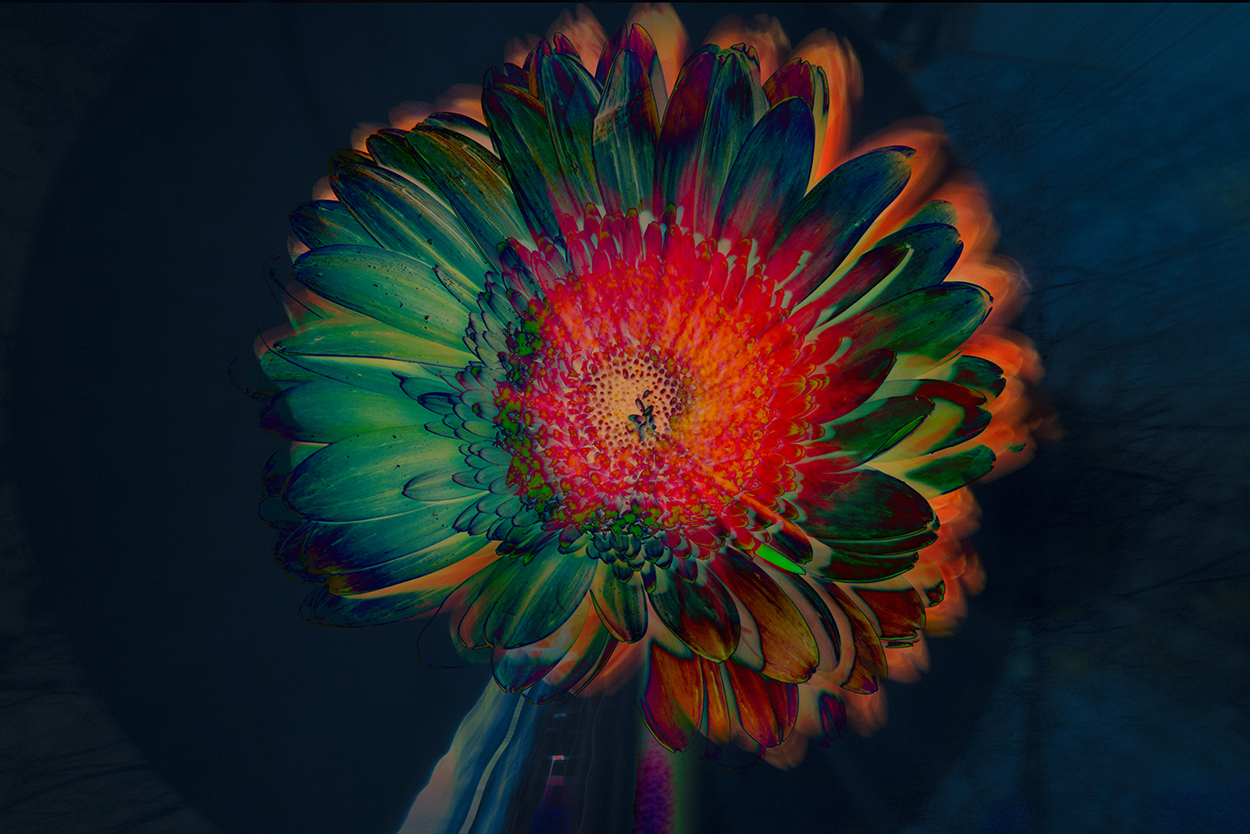
PHOTOGRAPHER
My work as a photographer is rooted in curiosity and close observation. I am drawn to moments that are fleeting and easily overlooked—the way light slips across a surface, color shifts with time and weather, or a familiar place reveals something unexpected when viewed from a new angle. Through photography, I explore how perception changes when we slow down and allow ourselves to truly see.
Light and color are central to my practice. I am interested not only in how they shape form, but in how they influence mood, attention, and memory. By experimenting with unusual perspectives, intentional framing, and subtle changes in viewpoint, I seek to move beyond straightforward representation and invite viewers into a more thoughtful, sensory experience of place.
As an educator, my creative work extends naturally into teaching. I design workshops that encourage participants to develop their own ways of seeing—through guided observation, nature walks, and hands-on photographic exploration. These experiences emphasize curiosity over technical perfection, helping people become more aware of light, pattern, rhythm, and the transient qualities of the world around them.
Photography, for me, is both a practice and a process of inquiry. Whether making images or teaching others, my goal is the same: to cultivate attention, foster creativity, and open space for seeing the ordinary in new and meaningful ways.
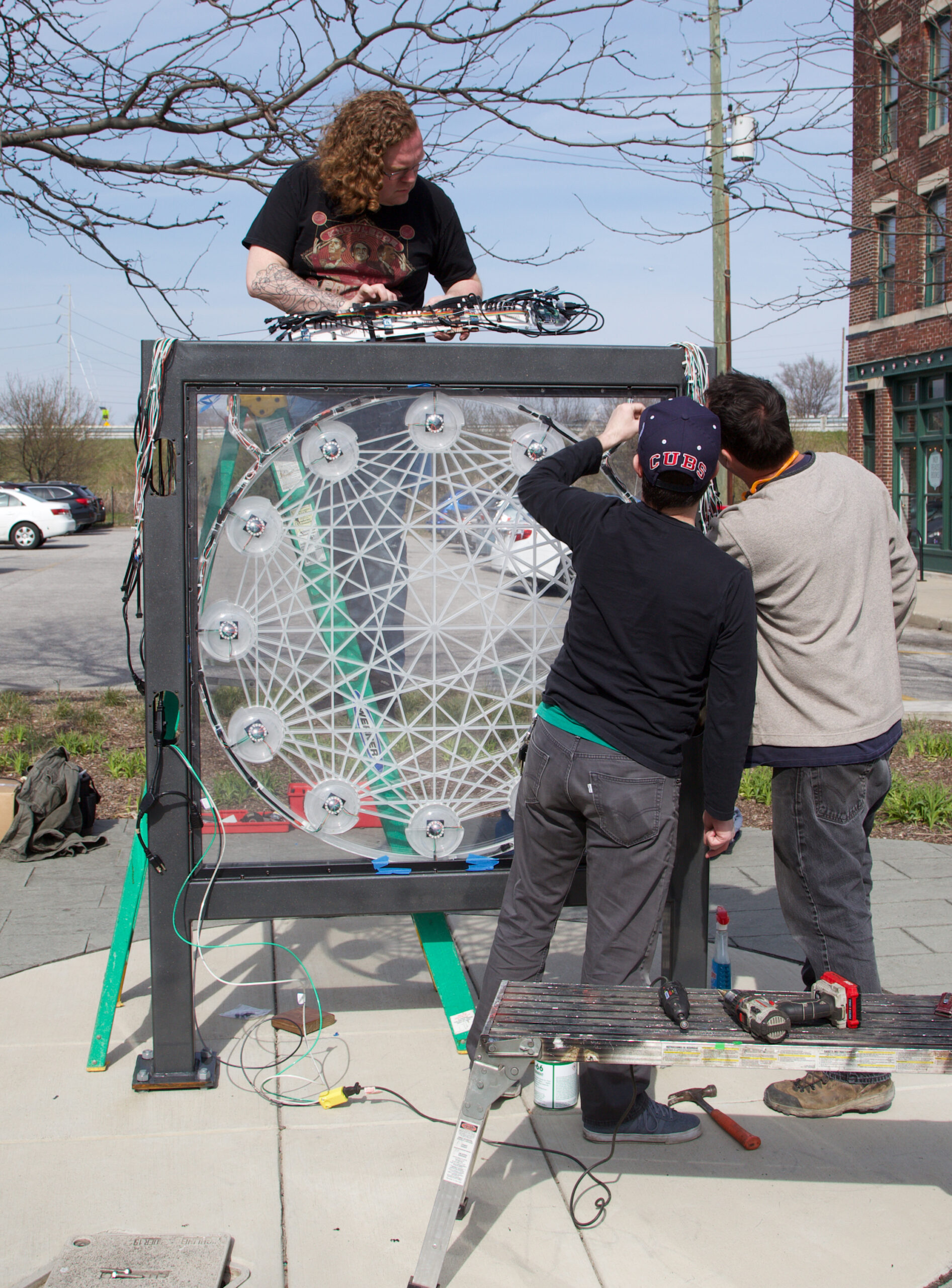
SCIENCE EDUCATOR
I am a science educator and exhibit designer who brings the principles of museum-based learning into public space. Drawing from the best practices of hands-on exhibit design and informal science education, my work transforms neighborhoods, parks, and everyday gathering places into sites of discovery through interactive sculptures and participatory installations.
My practice centers on the intersection of art and science, using artistic form as a powerful entry point for scientific ideas. By combining sculptural design, movement, light, and materials with scientific concepts, I create experiences that invite curiosity, experimentation, and conversation. Art becomes a bridge—lowering barriers to engagement and opening new pathways for people to connect with science in personal and meaningful ways.
I coined the term “A Museum Without Walls” to describe this approach: working beyond traditional institutions and placing learning directly in the communities where people live, work, and gather. These outdoor exhibits are designed to be encountered unexpectedly, encouraging spontaneous exploration rather than formal instruction. They function as both public art and learning tools—objects that reward touch, play, and repeated interaction over time.
Alongside the installations, I develop programs and workshops that deepen these experiences, guiding participants to explore scientific ideas through observation, creative inquiry, and hands-on experimentation. Together, the sculptures and programs reimagine how science education can exist in public life—accessible, inclusive, and woven into the everyday landscape.
At its core, my work is about expanding where and how learning happens. By merging art, science, and community, I aim to create environments that inspire curiosity, foster dialogue, and invite everyone to see the world a little differently.
Latest Series: winter interest
Winter Interest — A Photographic Series
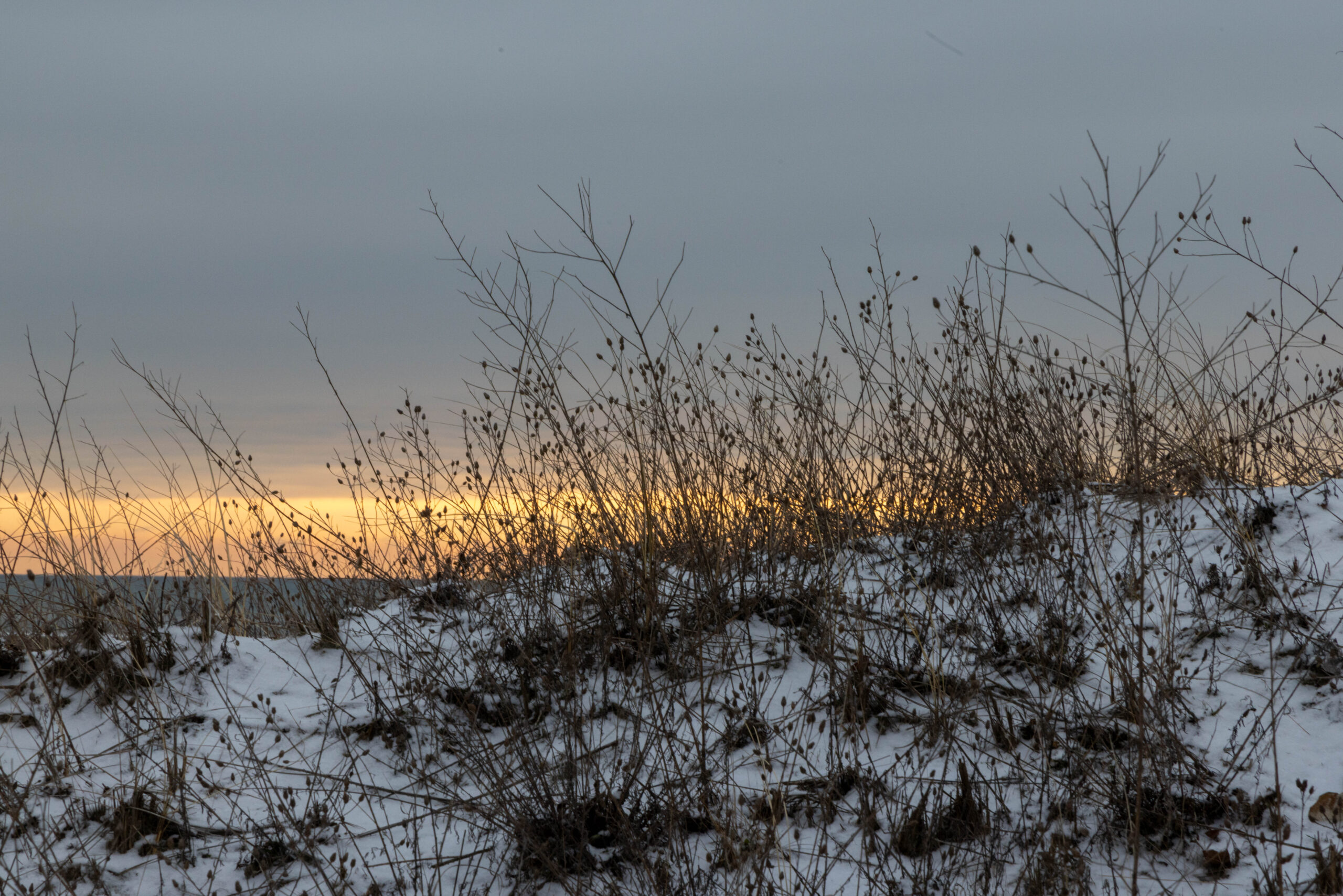
Winter Interest is a photographic exploration of the quiet complexity that emerges when the landscape slows. In winter, color recedes and the world becomes an exercise in subtlety—shape, texture, pattern, and light. What remains after leaves fall and flowers fade reveals the hidden architecture of nature: seed heads standing against snow, tangled grasses tracing wind patterns, bark etched with time, and ice forming delicate sculptures along water’s edge.
This series looks closely at those overlooked details that give the winter landscape its quiet beauty. Frost transforms ordinary plants into crystalline structures. Low angled sunlight stretches shadows across frozen fields. Dried stems, lichens, and weathered branches create compositions that might go unnoticed during the lush abundance of warmer seasons.
Through careful observation and intimate framing, the photographs invite viewers to reconsider winter not as a dormant or empty time, but as a season rich with form, resilience, and subtle life. Each image celebrates the aesthetic of endurance—plants that persist, textures revealed by cold, and the quiet elegance of nature stripped to its essentials.
Winter Interest asks us to slow down, look closely, and discover the poetry that emerges when the landscape rests.
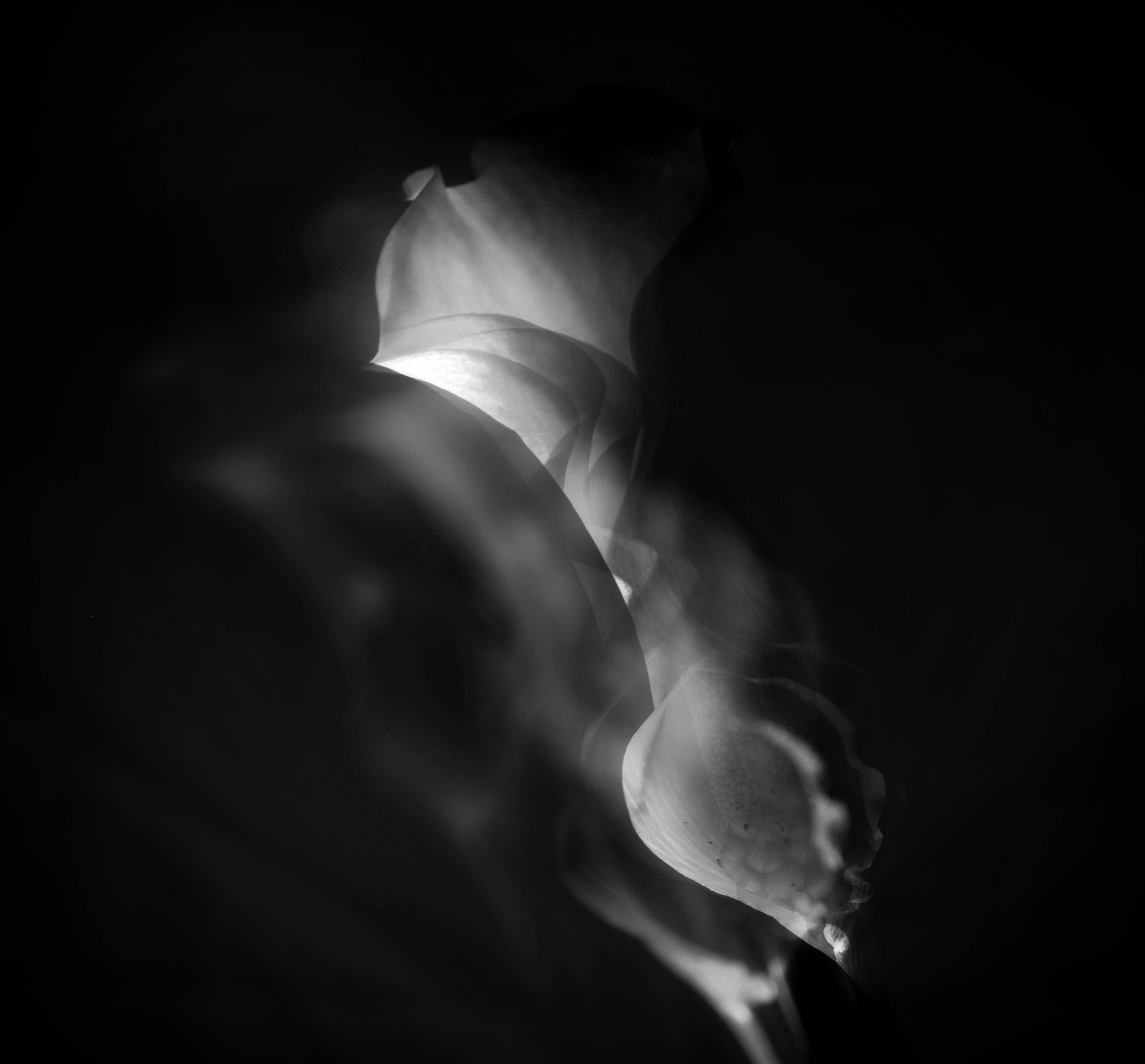
Art Photgraphy Science
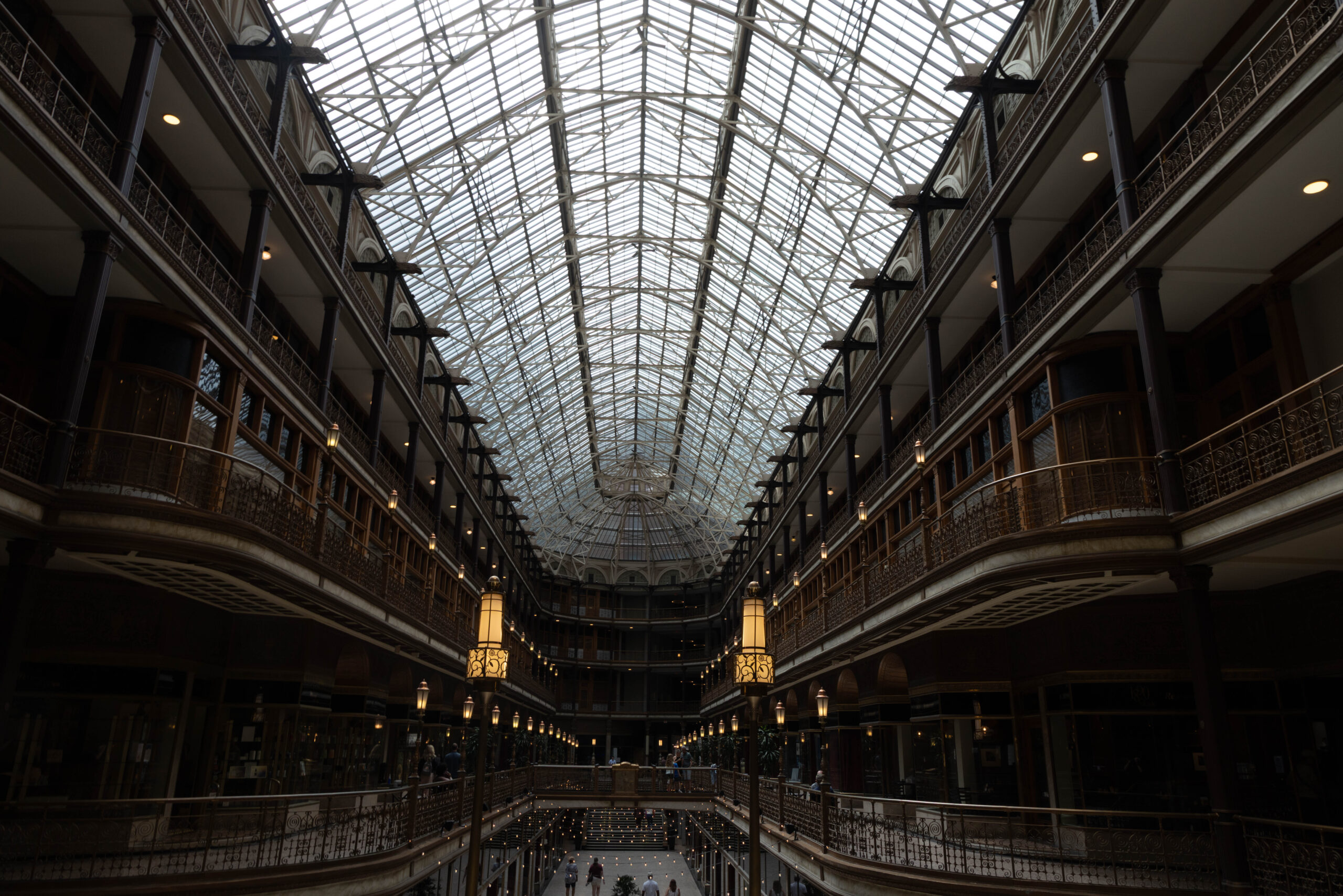
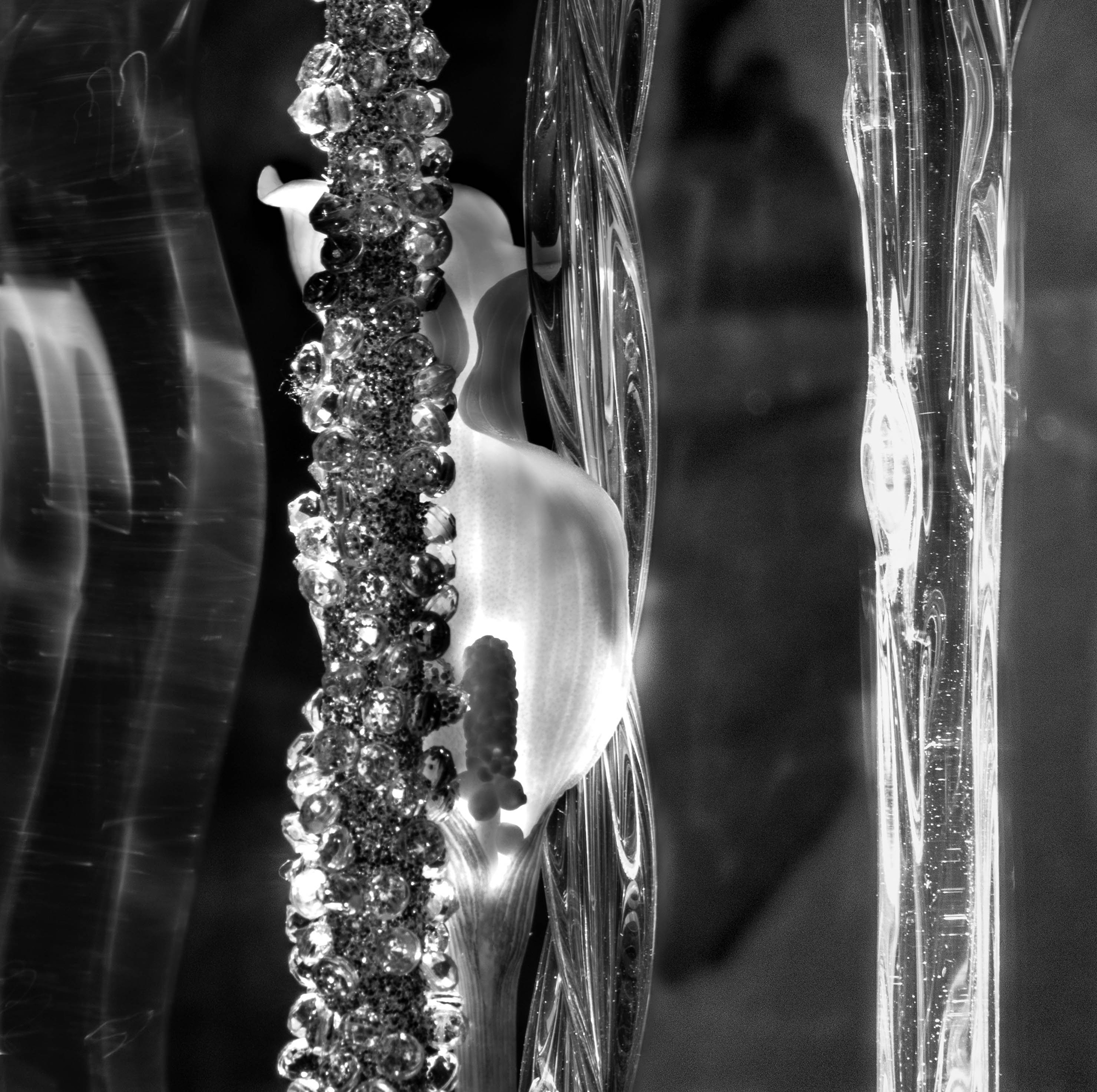
This portfolio explores the intersection of art, photography, and science where curiosity about the natural world meets creative expression. Each body of work begins with observation—looking closely at light, color, pattern, and form—and asking the same kinds of questions that scientists and artists have asked for centuries: How does light shape what we see? Why do certain patterns appear in nature? What stories are hidden in ordinary landscapes and objects?
Photography becomes both a tool for discovery and a medium for interpretation. Scientific ideas such as optics, color perception, seasonal ecology, and natural patterns inform the way images are created, while artistic techniques in composition, abstraction, and storytelling transform those observations into visual experiences. The result is a body of work that moves fluidly between documentation and imagination.
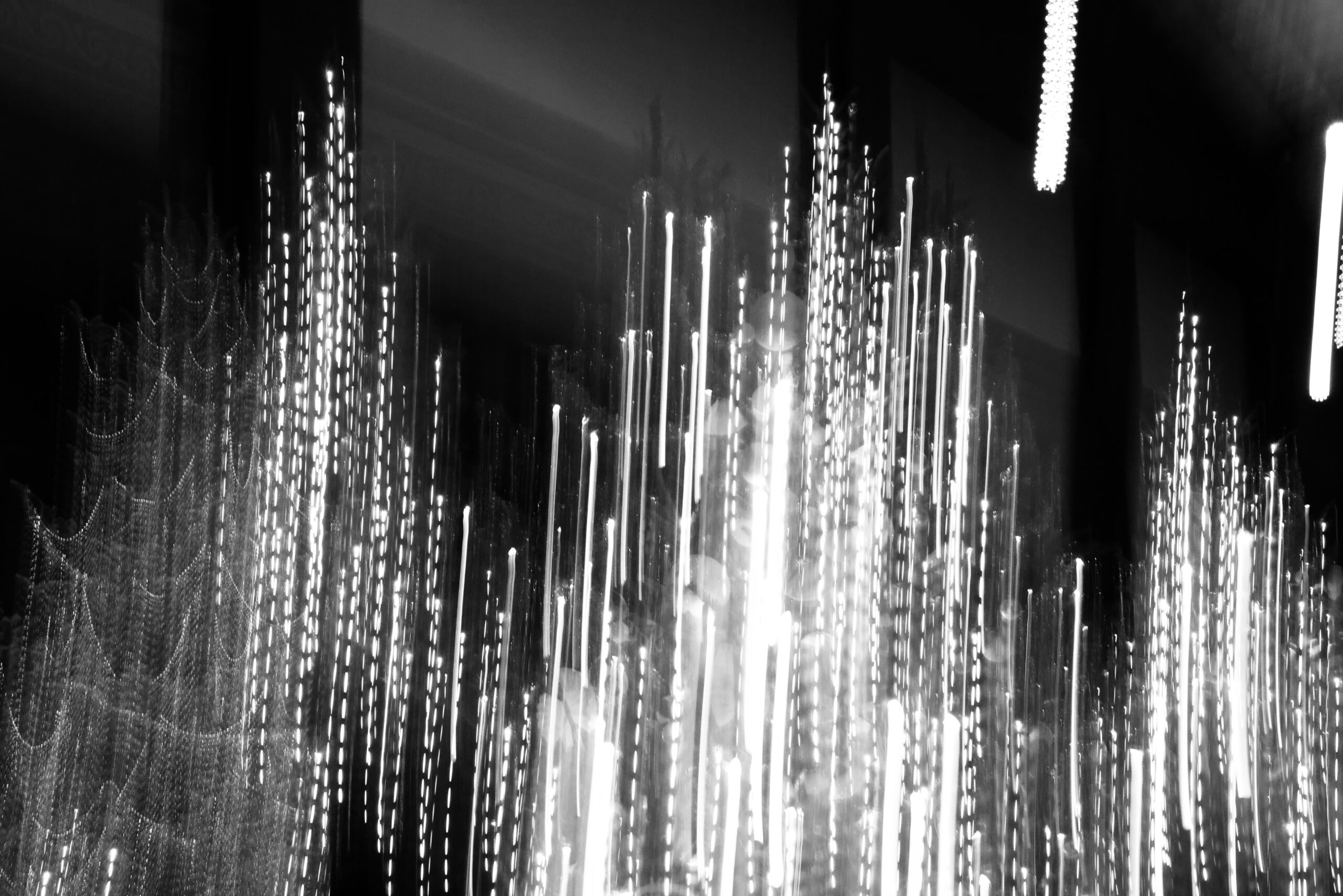
Some projects explore the landscape and its seasonal rhythms—frost patterns, seed heads in winter, or the shifting qualities of coastal light. Others experiment with photographic tools and techniques, from creative optics and intentional camera movement to alternative perspectives that reveal hidden structures and relationships.
Together, the images invite viewers to slow down, look closely, and rediscover the wonder embedded in everyday environments. By bringing together scientific curiosity, artistic exploration, and photographic craft, the portfolio reflects an ongoing journey of learning, seeing, and creating—where every photograph is both an observation and an interpretation of the world around us.
Collections
Winter Interest — A Photographic Series
Winter Interest is a photographic exploration of the quiet complexity that emerges when the landscape slows. In winter, color recedes and the world becomes an exercise in subtlety—shape, texture, pattern, and light. What remains after leaves fall and flowers fade reveals the hidden architecture of nature: seed heads standing against snow, tangled grasses tracing wind patterns, bark etched with time, and ice forming delicate sculptures along water’s edge.
This series looks closely at those overlooked details that give the winter landscape its quiet beauty. Frost transforms ordinary plants into crystalline structures. Low angled sunlight stretches shadows across frozen fields. Dried stems, lichens, and weathered branches create compositions that might go unnoticed during the lush abundance of warmer seasons.
Through careful observation and intimate framing, the photographs invite viewers to reconsider winter not as a dormant or empty time, but as a season rich with form, resilience, and subtle life. Each image celebrates the aesthetic of endurance—plants that persist, textures revealed by cold, and the quiet elegance of nature stripped to its essentials.
Winter Interest asks us to slow down, look closely, and discover the poetry that emerges when the landscape rests.
End to End — Traveling Cape Cod
This photographic collection follows the long, curved arm of Cape Cod, tracing a journey from its mainland gateway to the windswept outer reaches where land, sea, and sky converge. Traveling from town to town, harbor to dune, marsh to ocean beach, the series explores the shifting character of the Cape as the landscape gradually opens, quiets, and becomes increasingly shaped by wind, tide, and light.
Along the way, the photographs document the subtle transitions that define the peninsula. Sheltered bays and working harbors give way to tidal flats, cranberry bogs, salt marshes, and finally the vast dunes and open Atlantic coastline. Each place reveals its own textures and rhythms—weathered docks, quiet back roads, dune grasses bending in the wind, fishing boats at rest, and the changing colors of sky and water that make the Cape a place of constant visual transformation.
Rather than focusing only on well-known landmarks, the collection lingers on the everyday poetry of the landscape: small details, fleeting light, and moments of stillness that often pass unnoticed. Early morning fog along the bay, late afternoon shadows across a marsh, and the quiet geometry of fences, paths, and boats become markers along the journey.
End to End is both a travel narrative and a meditation on place. Moving slowly along the Cape’s length reveals a landscape that is at once familiar and endlessly changing—a place where light, weather, and season continually reshape the experience of the land.
The photographs invite viewers to take the journey themselves, discovering the evolving character of Cape Cod one quiet moment at a time.