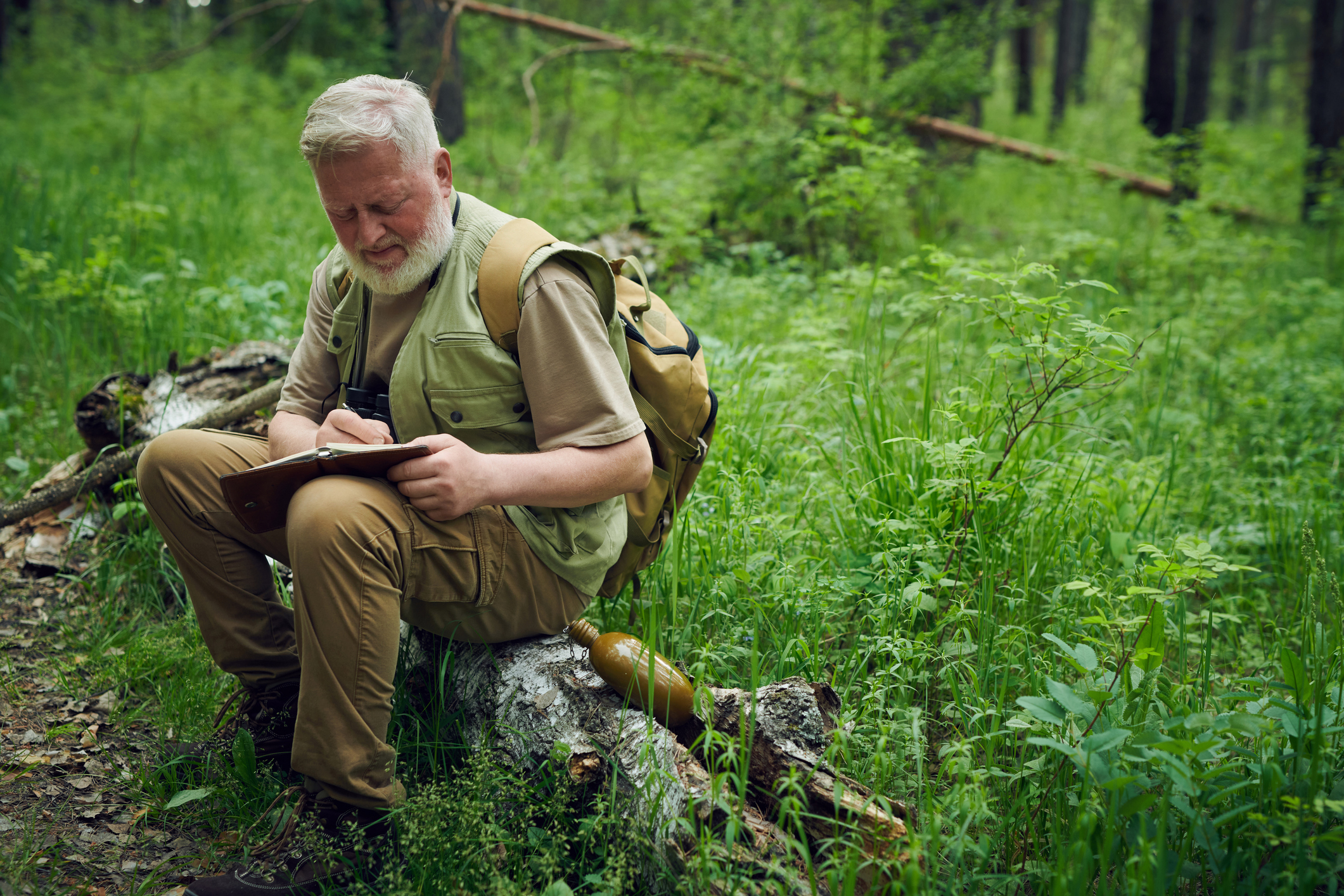
Seeing Like a Naturalist

Required Book:
- “A Field Guide to Cape Cod: Including Nantucket, Martha’s Vineyard, Block Island, and Eastern Long Island”; Patrick J. Lynch; Yale University Press; ISBN 978-0300226157
(All Books Can be purchased at Brewster Book Store)
Suggested Books:
- “Keeping a Nature Journal: Deepen Your Connection with the Natural World All Around You”; Claire Walker Leslie; Storey Publishing; ISBN 978-1635862287
- “The Laws Guide to Nature Drawing and Journaling”; John Muir Laws; Heyday; ISBN 978-1597143158
- “Drawing Nature: The Creative Process of an Artist, Illustrator, and Naturalist”; Linda Miller Feltner; Princeton University Press; ISBN 978-0691255385
- “The Curious Nature Guide: Explore the Natural Wonders All Around You”; Claire Walker Leslie; Storey Publishing; ISBN 978-1612125091
- “Sketching Nature”; Dianne Sutherland; David & Charles; ISBN 978-1446314098
Recommended Supplies:
Highly Recommended:
- Field journal or sketchbook (5x7 or 8x10 recommended; mixed media paper preferred)
- Pencils (HB, 2B) anderaser
- Fine-tip waterproof pen (for labeling and line work)
- Watercolor set (Art Toolkit)
- Small paintbrush (water brush recommended)
- Portable water container or water brush
Optional:
- Clipboard or hard surface (if journal is softcover)
- Binoculars (optional but helpful for birds and distant observation)
- Small pouch or kit bag to carry supplies
- Published field guides (birds, plants, coastal life of Cape Cod/New England)
- Smartphone with apps installed (iNaturalist; Merlin Bird ID)
- Hand lens or magnifier (for examining small details like leaf structure or sand textures)
June 8, 2026 – 10:00 am - 2:00 pm – Seeing Like a Naturalist – Brewster Book Store
Description: Shift from passive looking to active seeing through the creation of a personal field guide. Explore what a field guide can be – from traditional scientific references to expressive, artist-created journals. Discover digital companion tools that deepen understanding, and begin curiosity-driven, observation-based nature journaling as the foundation of building your own guide.
Topics Covered:
- What is a field guide? Structure, purpose, and possibilities
- Nature journaling as the foundation of your guide
- Observation techniques: slowing down, noticing patterns, asking questions
- Analog and digital identification tools
- The role of questions in field-based discovery