
The Curious Eye: A Watercolor Workshop in Four Sessions
Sessions
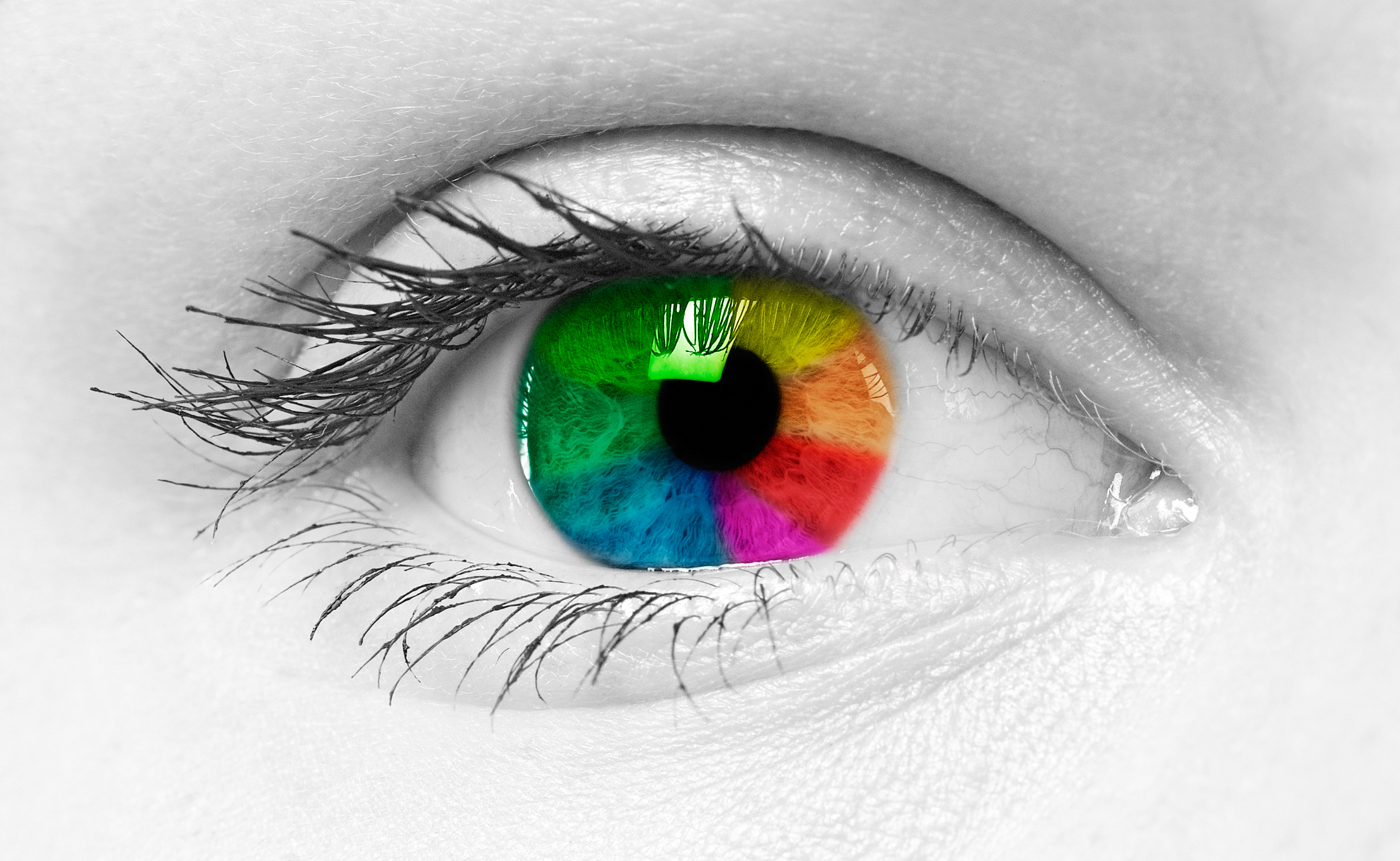
Session 1: The Eye, the Brain, and the Colorful World – How We See Color and Why It Is Not Always What It Seems
Description: This opening session introduces the extraordinary process of color vision. You will discover how light enters the eye, how specialized cells respond to different wavelengths, and how the brain interprets these signals to produce the colorful world we experience. We will explore the essential question: Is color a property of the world around us, or something our brains create?
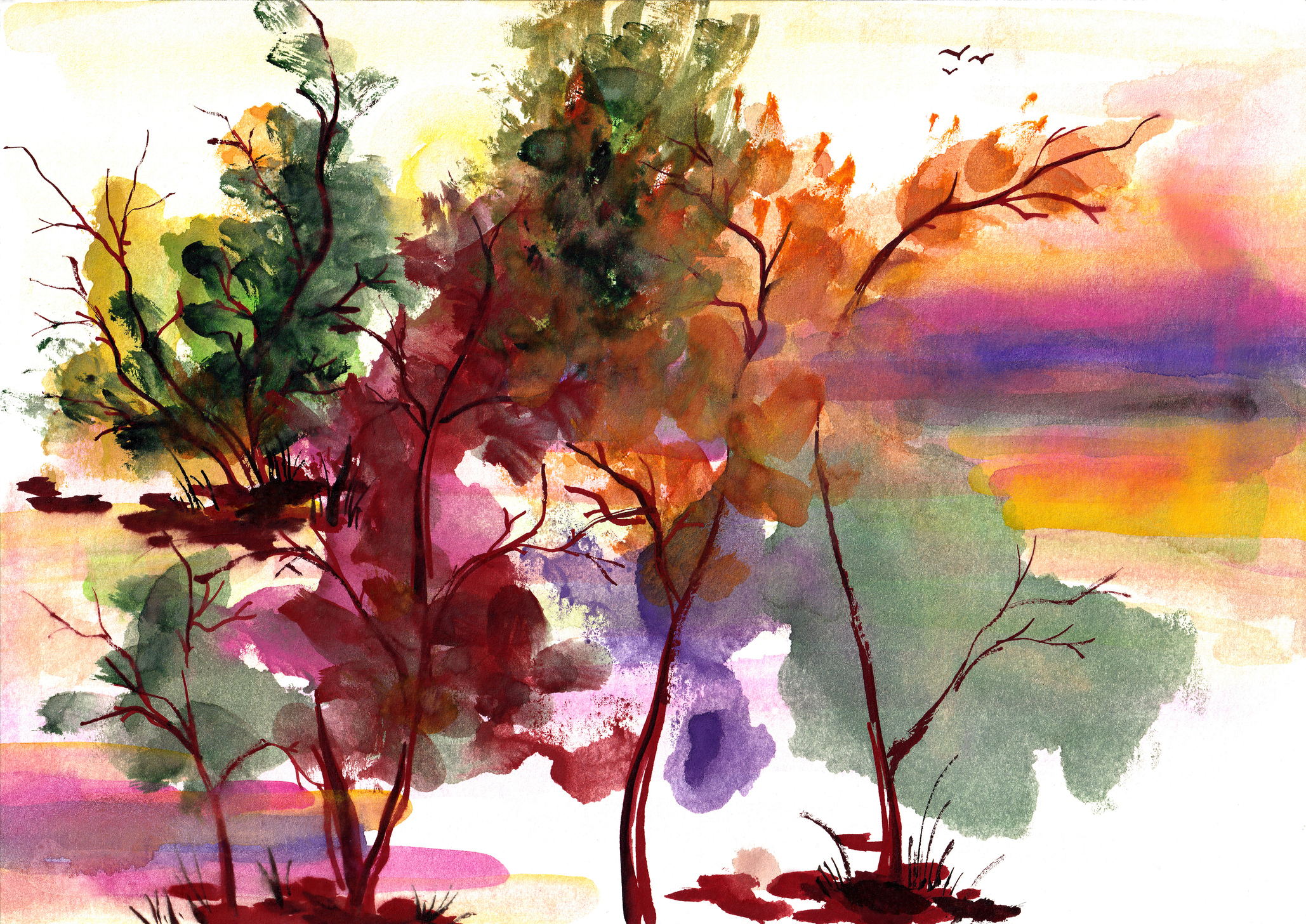
Session 2: The Changing Colors of Light – Sunlight, Shadows, Reflections, and the Colors of Nature
Description: In this session, you will explore how light transforms the colors of everything around us. From warm morning sunlight to the cool blue light of an overcast sky, you will discover why color is never completely independent of its illumination. We will explore the essential question: Why can the same object appear to be different colors throughout the day?
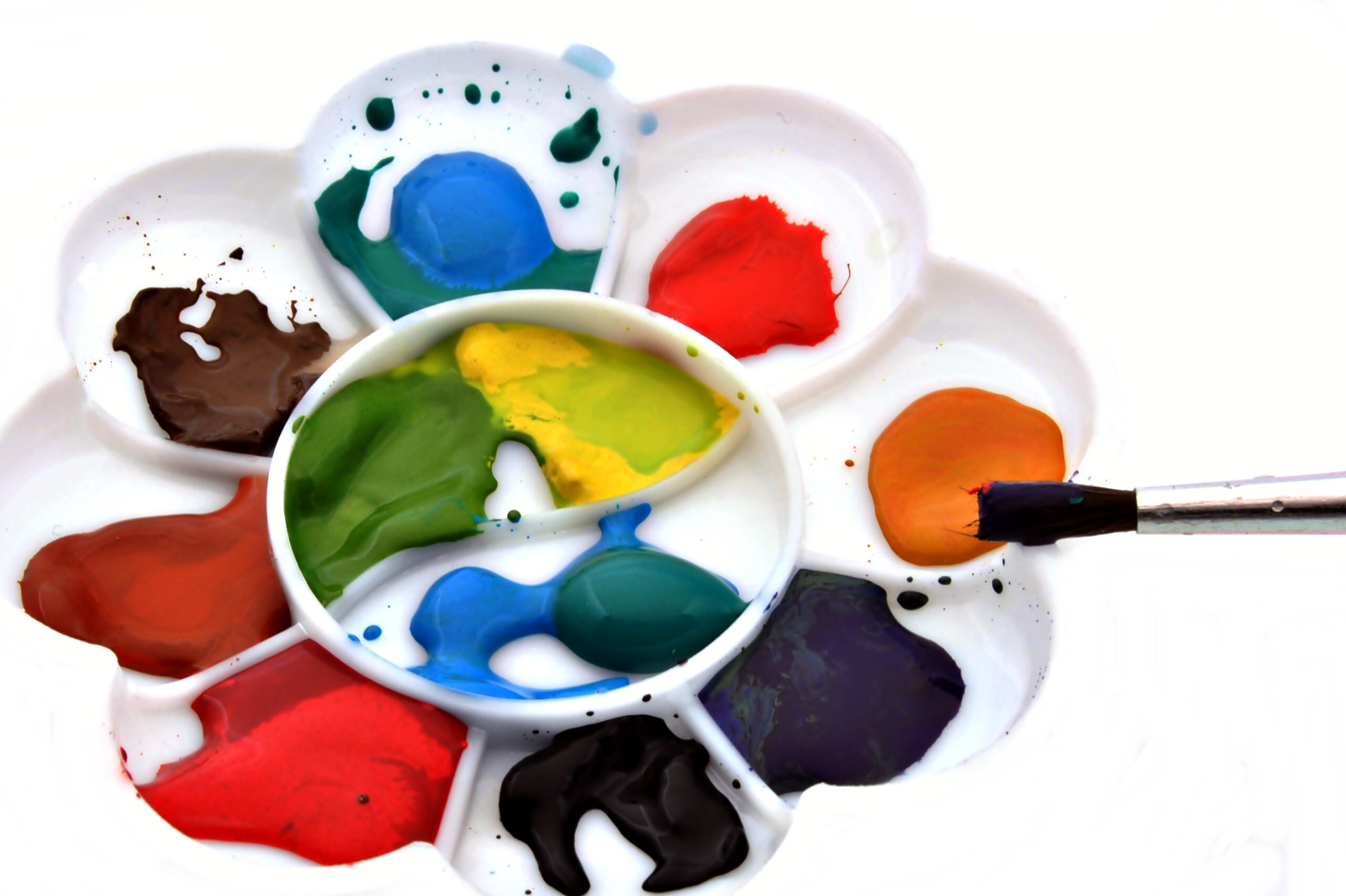
Session 3: Color Is Relative: The Science of Color Relationships – Contrast, Context, Optical Illusions, and the Artist's Palette
Description: This session explores one of the most surprising aspects of visual perception: color is profoundly influenced by context. You will investigate how neighboring colors, contrast, and visual adaptation affect the way we see and paint. We will explore the essential question: Why does a color change its appearance when another color is placed beside it?
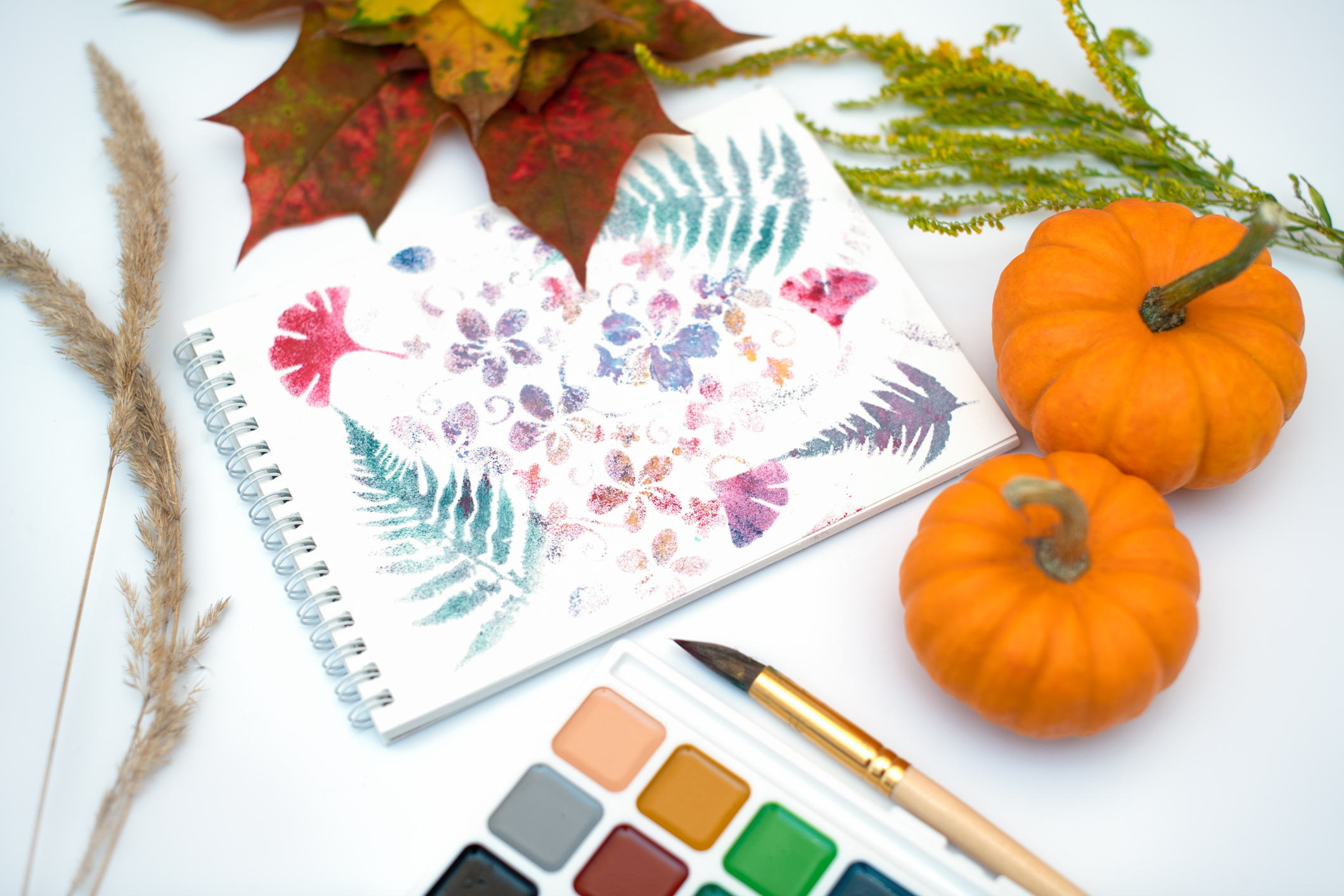
Session 4: Painting What We See, Not What We Think We See – Bringing Color Science into Watercolor and Nature Journaling
Description: The final session brings together the scientific principles and artistic techniques explored throughout the series. You will learn to move beyond habitual color choices and paint from careful observation, recognizing the surprising colors, subtle variations, and complex relationships found in nature. We will explore the essential question: How can understanding color science help us become more observant, expressive, and confident artists?
4 Sessions; Mondays, November 2, 9, 16, 30, 2026 – 5:30 pm – 7:30 pm – The Barn: First Parish UU
$35 per person per session
Description: Color is everywhere in the natural world, yet what we see is far more complex and fascinating than we might imagine. The colors of autumn leaves, the shifting blues of the sky, the subtle greens of a forest, and the unexpected hues found in shadows are all products of an extraordinary relationship between light, the human eye, and the brain.
While each session of The Curious Eye can stand-alone, the workshop series is designed to explore the fascinating connections between color science, visual perception, watercolor painting, and nature journaling. Designed for curious adult learners, this hands-on series invites you to discover not only how color works, but also how understanding its science can transform the way you observe, interpret, and paint the world around you.
Through accessible scientific demonstrations, guided observations, watercolor experiments, and nature journaling activities, you will investigate how light creates color, how your eyes and brain interpret it, why colors change depending on their surroundings, and how artists use these discoveries to create expressive and compelling images.
Through guided watercolor experiments and nature observation activities, you will have practiced recognizing and representing subtle color variations, experimenting with color relationships, and making more intentional artistic choices. Each participant will leave with a personal color field journal containing scientific observations, watercolor experiments, and color studies.
No science or artistic experience is required—only curiosity, a willingness to experiment, and an interest in seeing the familiar world in extraordinary new ways.
Overall Learning Goals:
By the end of the series, you will be able to:
- Understand the science of color vision: Explain how light, the eye, and the brain interact to create our perception of color.
- Recognize the influence of light: Identify how lighting conditions, shadows, reflection, and surrounding colors change what we see.
- Explore color relationships: Investigate how hue, value, saturation, contrast, and color context influence visual perception and artistic composition.
- Apply scientific discoveries to watercolor: Use pigment mixing, transparency, layering, and color relationships to create more convincing and expressive paintings.
- Develop observational skills: Practice noticing subtle colors, unexpected relationships, and visual effects in the natural world.
- Create a personal color field journal: Document experiments, observations, watercolor studies, and reflections that can inform future creative work.
Recommended Supplies:
- Watercolor Journal – A mixed-media or watercolor sketchbook, preferably with 140 lb watercolor paper, suitable for painting, sketching, written observations, and experimental studies.
- Basic watercolor pigment set with warm and cool primary colors.
- Round watercolor brushes in several sizes.
- Watercolor mixing palette.
- Water containers.
- Paper towels or reusable cloth.
- Pencil and eraser.
- Waterproof fine-tip drawing pen.
- Smartphone camera for recording lighting conditions and visual experiments.
- Small magnifying glass, if available.
- Portable clipboard or firm drawing surface for outdoor work.
Recommended Books:
- “Interaction of Color”; Josef Albers; Yale University Press; ISBN 978-0300179359
- “Color and Light: A Guide for the Realist Painter”; James Gurney; Andrews McMeel Publishing; ISBN 978-0740797712
- “The Secret Lives of Color”; Kassia St. Clair; Penguin; ISBN 978-01431311444
- “Vision and Art: The Biology of Seeing”; Margaret Livingstone; Abrams Books; ISBN 978-1419706929
- “The Laws Guide to Nature Drawing and Journaling”; John Muir Laws; Heyday; ISBN 978-1597143158
(All Books Can be purchased at Brewster Book Store)