Rust, Rope, and Iron: Sketching Cape Cod’s Working Heritage
Sessions:
Session One – Learning to See: Shape, Silhouette, and Purpose (October 8, 2026)
The opening session introduces the collection and encourages participants to look at historic implements as functional objects, visual compositions, and carriers of human stories.
Session Two – The Cellphone as a Sketching Companion (October 15, 2026)
This session explores how cellphone photography can strengthen observation and provide useful references without replacing direct looking and drawing.
Session Three – Hidden Mechanics: Endoscopes, Details, and Textures (October 22, 2026)
The third session moves beyond the visible surface. Cellphone-compatible endoscopes allow participants to investigate normally inaccessible parts of selected implements and discover unexpected drawing subjects.
Session Four – Telling the Object’s Story: The Illustrated Heritage Study (October 29, 2026)
In the final session, participants bring observation, photography, drawing, history, and personal interpretation together in a completed visual record.
Recommended Supplies:
- A fully charged cellphone
- Charging cable or portable battery, if available
- Sketchbook or several sheets of drawing paper
- Graphite pencils
- Black waterproof pen or fine liner
- Eraser and pencil sharpener
- Optional colored pencils or a small watercolor set
Recommended Books:
- “A Museum of Early American Tools”; Eric Sloane; Dover Publications; ISBN 978-0486425603; Type 2: Option 1
- “Sketching: The Basics”; Koos Elssen and Steur Roselien; Laurence King Publishing; ISBN 978-9063695347; Type 2: Option 1
- “The Laws Guide to Nature Drawing and Journaling”; John Muir Laws; Heydey; ISBN 978-1597143158; Type 1
- “Massachusetts Cranberry Culture: A History from Bog to Table”; Robert S. Cox and Jacob Walker; The History Press; ISBN 978-1609495138; Type 2: Option 1
(All Books Can be purchased at Brewster Book Store)
4 Sessions; Thursdays, October 8, 15, 22, 29, 2026 – 9:30 am – 11:30 am – Dennis Conservation Land Trust
Description: Rust, Rope, and Iron: Sketching Cape Cod’s Working Heritage is a four-session art, history, and technology workshop exploring the tools and implements that shaped everyday work on Cape Cod.
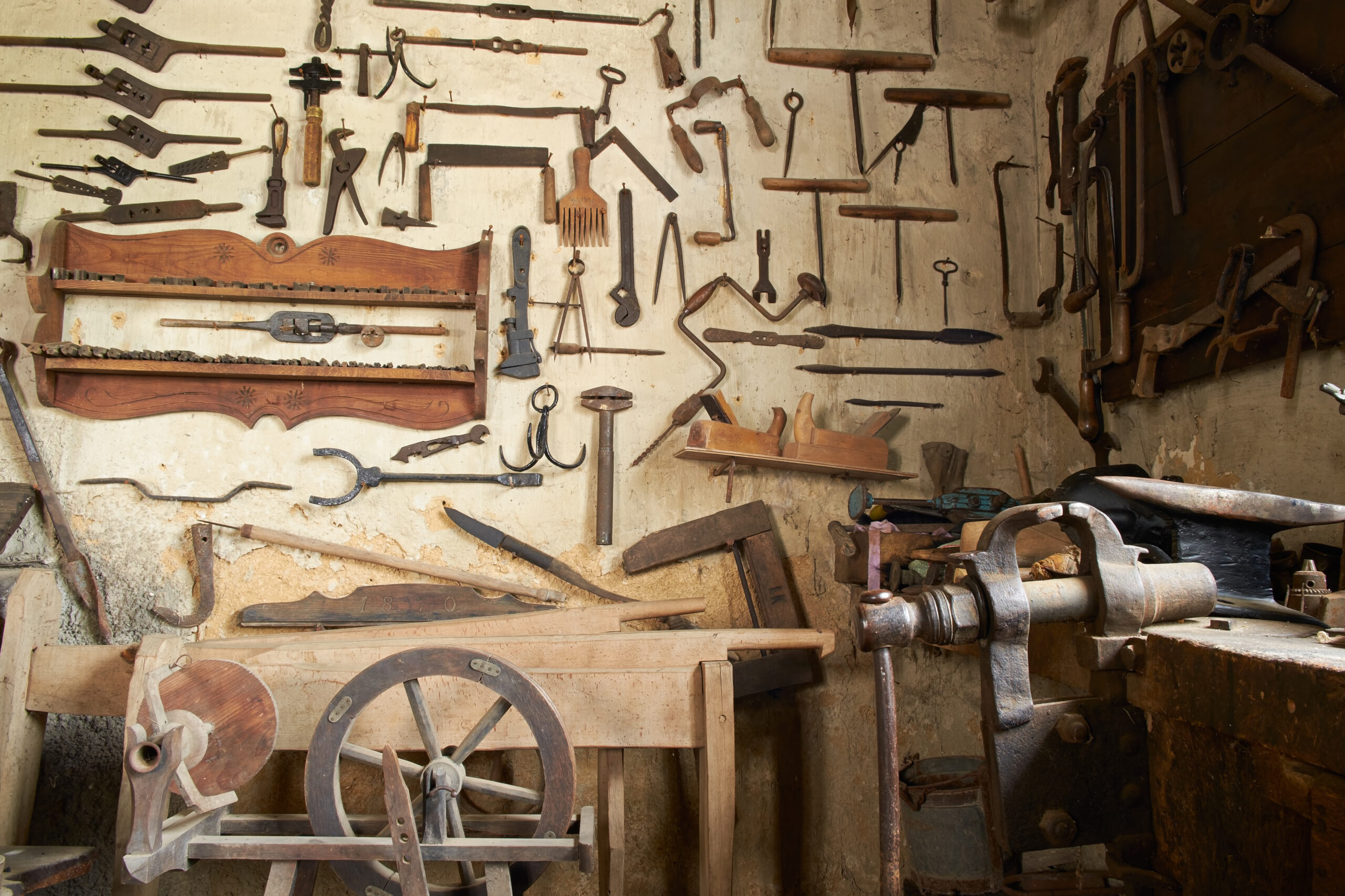
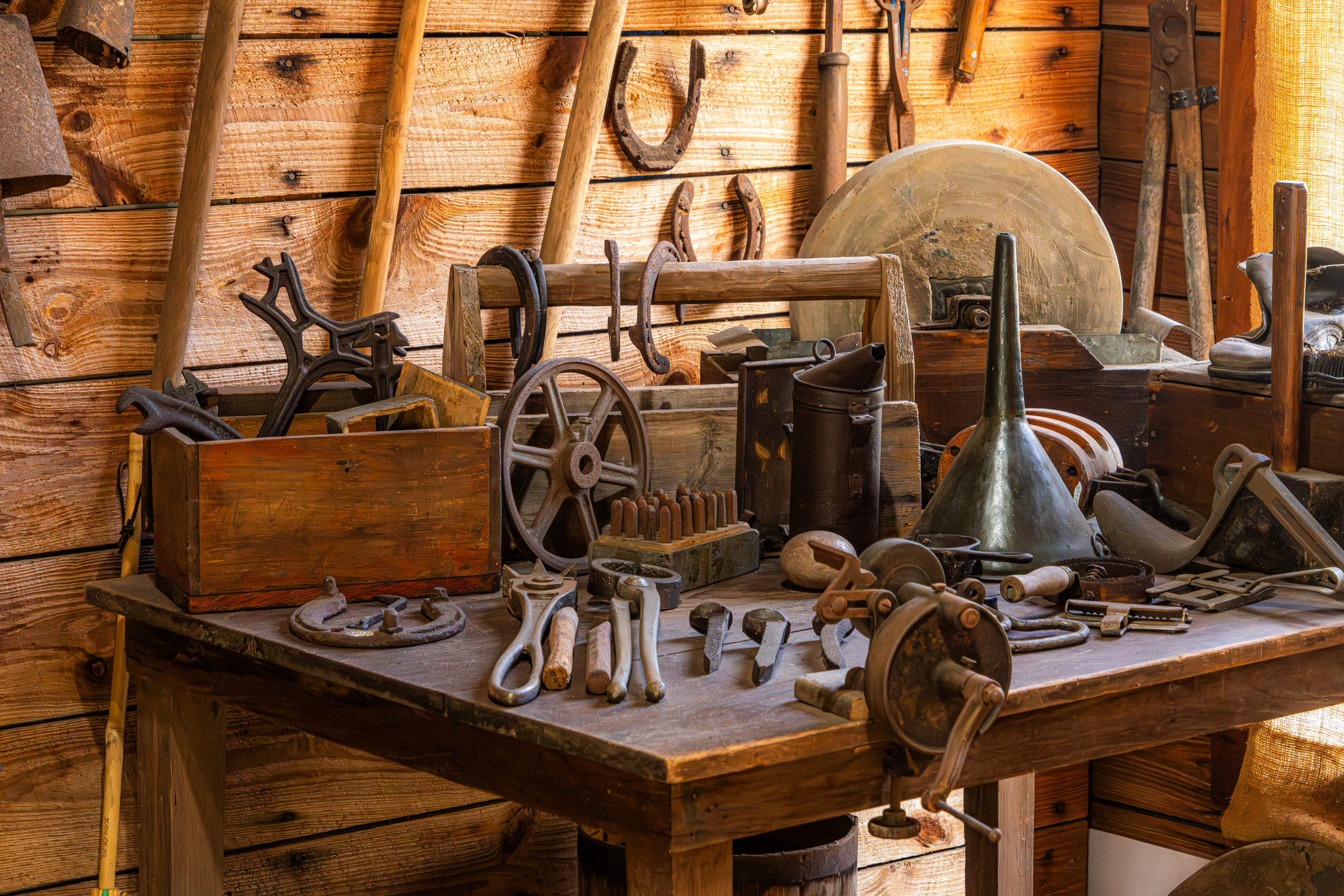
Throughout the series, you will examine objects associated with cranberry farming, agricultural machinery, mechanical repair, lifting and hauling, grinding and sharpening, fishing, and shell fishing. Weathered wood, rusted iron, worn handles, pulleys, gears, ropes, hooks, rakes, baskets, and other working surfaces will become subjects for close observation and creative interpretation.
Your cellphone will serve as both a camera and a visual research tool. You will learn to photograph objects from useful viewpoints, isolate compelling details, explore light and shadow, and create a collection of reference images for drawing. Cellphone-compatible endoscopes will offer an unusual way to peer beneath, behind, and inside selected objects, revealing hidden mechanisms, fasteners, joints, repairs, textures, and evidence of repeated use.
Guided exercises will introduce accessible techniques for drawing complicated objects, understanding mechanical forms, suggesting texture, and combining sketches with photographs, labels, written observations, and historical information. You will gradually develop a series of studies leading to a finished illustrated heritage page or small collection celebrating Cape Cod’s agricultural and maritime past.
No previous drawing or photography experience is necessary. The emphasis is on curiosity, careful observation, experimentation, and discovery rather than technical perfection.
Learning goals: By the end of the workshop, participants will:
- Use sketching as a tool for observation, inquiry, and historical discovery.
- Recognize the basic shapes within complicated tools and machines.
- Draw ambiguously shaped objects using proportion, contour, negative space, and overlapping forms.
- Use a cellphone to create effective reference photographs.
- Photograph an object’s overall form, details, textures, shadows, and evidence of use.
- Safely use a cellphone-compatible endoscope to examine concealed areas.
- Suggest rust, iron, wood grain, rope, wire, and worn surfaces through line and value.
- Interpret how an implement was held, moved, powered, repaired, and used.
- Combine drawing, photography, labeling, and written observations on a journal page.
- Create a finished visual record of Cape Cod’s working heritage.