
Lost & Found: Nature Journaling Workshop
Required Book:
“Lost and Found”; Amy Heller & Gail Browne; Schiffer Publishing; ISBN 978-0764359422
Suggested Books:
- “Still: The Art of Noticing”; Mary Jo Hoffman; Monacelli; ISBN 978-1580936330
- “Nature’s Palette: A Color Reference System from the Natural World”; Patrick Baty; Princeton University Press; ISBN 978-0691217048
- “Mudlarking: Lost and Found on the River Thames”; Lara Maiklem; Bloomsbury Publishing; ISBN 978-1408889237
- “Inside the Head of a Collector: Neuropsychological Forces at Play”; Shirley M. Mueller, MD; Marquand Books; ISBN 978-0999652275
Recommended Supplies:
- Smartphone camera
- Backpack or shoulder bag
- Journal with watercolor paper (cold press)
- Soft pencil (HB, H, or #2)
- Pencil sharpener
- Technical drawing pen
- Refillable brush pen
- Binder clips
- Small ruler
- Colored pencils (watercolor pencils work well)
- Watercolor set (pans or tubes)
- Small mixing palette
- Small sponge
- Small rag
- Small water bottle
- Small water spray bottle
- Small syringe (no needle)
- White gel pen
- Color wheel
- Small hand lens or magnifier
- Small flower/plant press
Lost & Found: Nature Journaling as Story, Science, and Memory Workshop – Brewster Book Store
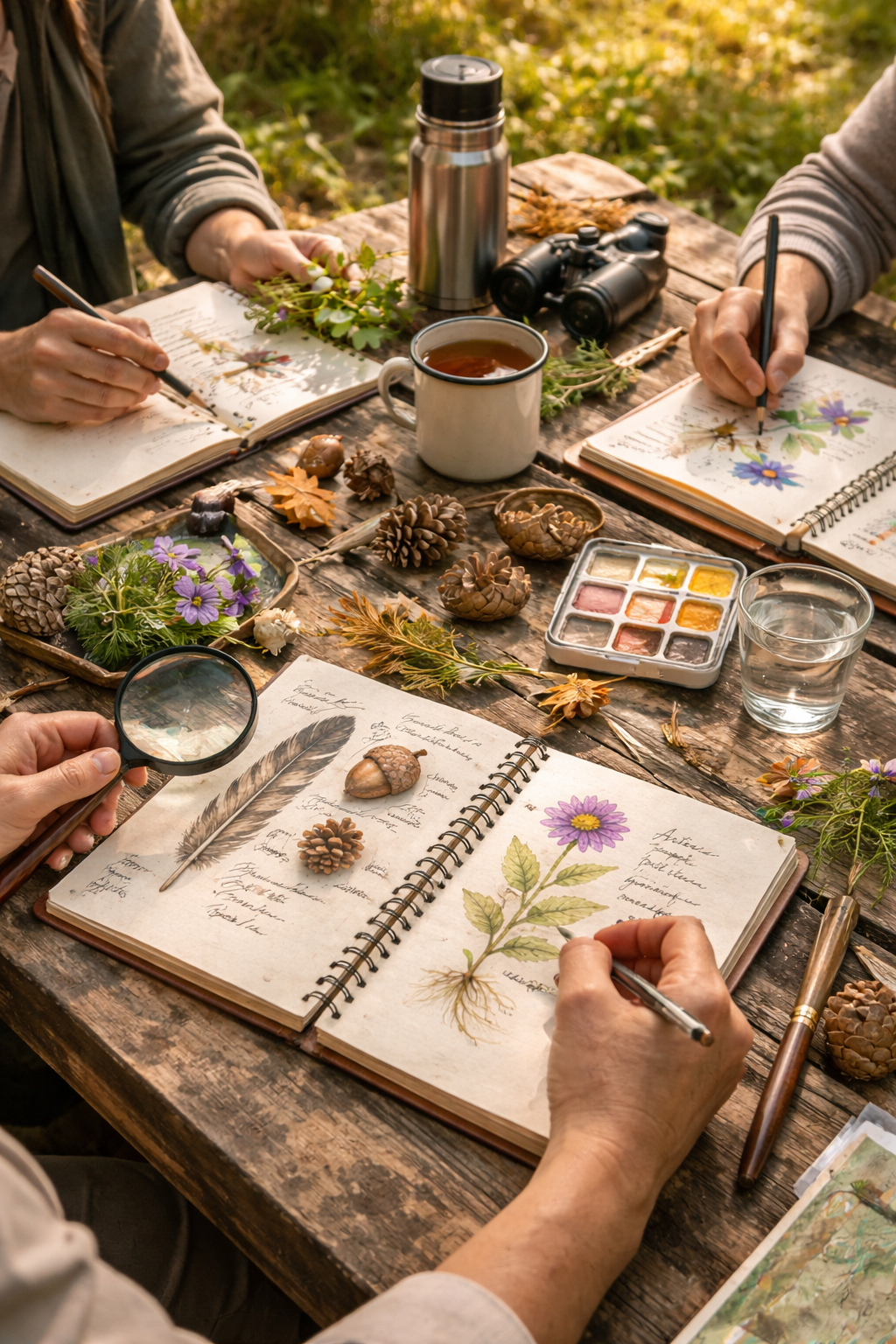
Description: In this four-session immersive workshop, participants will curate their own collection of found natural objects gathered from nearby Brewster nature preserves and beaches. Through writing, photography, poetry, storytelling, and painting, we will explore how ordinary objects hold extraordinary stories. Together, we’ll uncover the ecological science, cultural meaning, artistic symbolism, and personal narratives hidden within what has been lost—and found. Each session blends field exploration with creative studio practice.
March 9, 2026 – 10:00 - 12:00 am
Session 1: The Art of Noticing — Gathering What Calls to You
Description: We begin in the field. Participants visit a Brewster preserve or beach and practice intentional observation: slowing down, noticing texture, pattern, color, placement, and context. What is abandoned? What has traveled? What has endured?
Participants will:
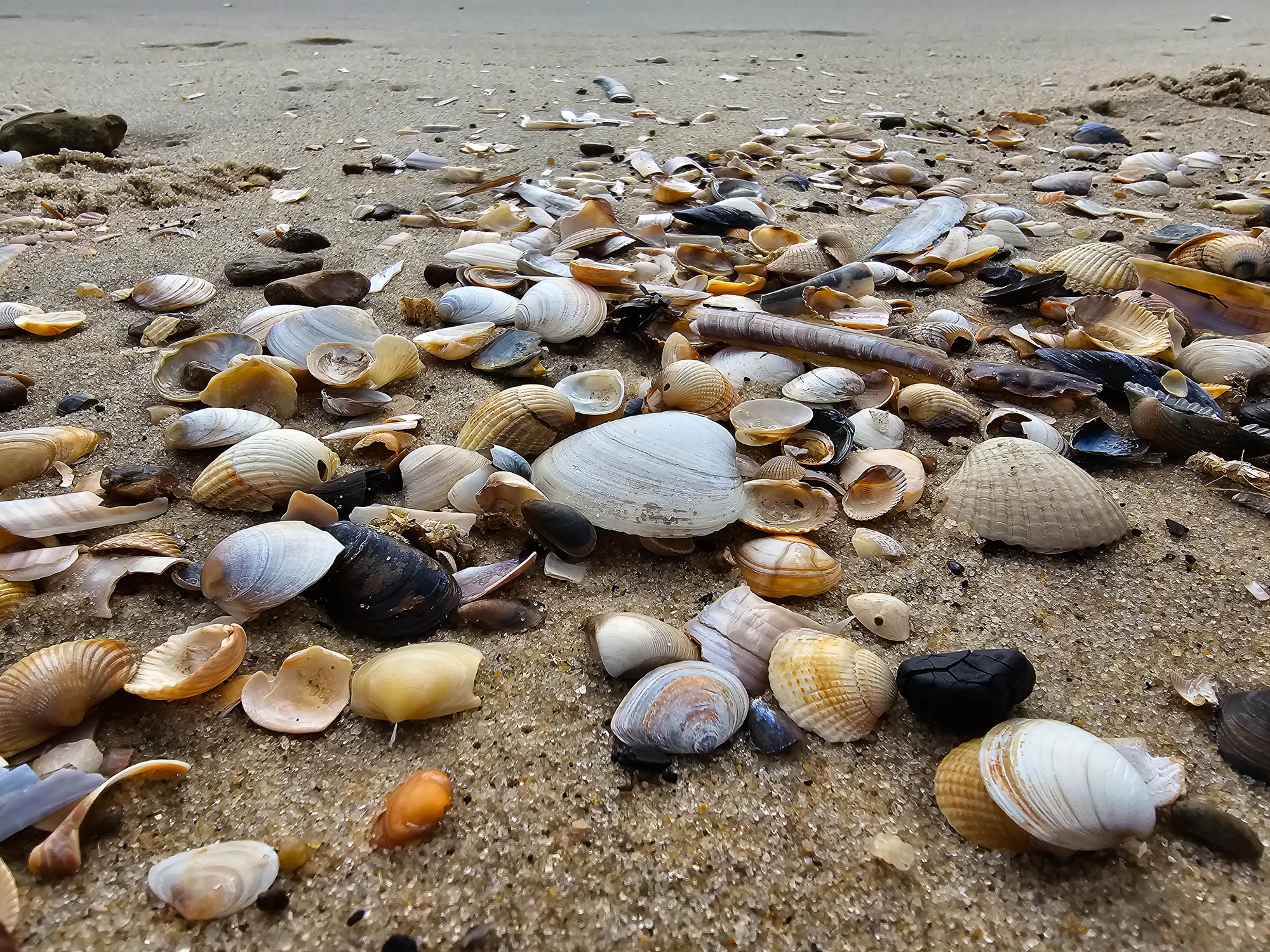
- Collect a small, ethical selection of found objects (shells, driftwood, feathers, stones, seed pods, seaweed, etc.)
- Photograph objects in situ before moving them
- Create quick field sketches and sensory notes
- Write short “first impressions” pieces — What might this object have witnessed?
We’ll introduce the idea of a curated collection — not just gathering objects but choosing them with purpose. The session closes with a reflective conversation about why certain objects call to us.
March 16, 2026 – 10:00 - 12:00 am
Session 2: The Science of the Found — Ecology, Time, and Place
Description: In this session, we explore the natural history behind our collections. What processes created these objects? What ecological roles did they serve? How did tides, wind, animals, seasons, or time shape them?
Participants will:
- Research and identify their objects (species, material, origin)
- Sketch structural details with scientific attention
- Write a short natural history entry in their journal
- Create macro or detail photographs highlighting pattern and design
We’ll discuss:
- Coastal and woodland ecology in Brewster
- Adaptation and survival
- Cycles of growth, decay, and transformation
Participants begin to see their objects not just as beautiful artifacts, but as part of a living system.
March 23, 2026 – 10:00 - 12:00 am
Session 3: Cultural Memory & Symbol — What Objects Mean
Description: Natural objects carry cultural symbolism and artistic history. Shells have been currency and ornament. Driftwood becomes sculpture. Stones mark memory. Feathers represent freedom, spirituality, or migration.
Participants will:
- Explore historical and cultural uses of natural materials
- Read short examples of object-based poetry and storytelling
- Write a poem, monologue, or short fictional narrative from the object’s perspective
- Experiment with watercolor or mixed media to interpret emotional tone
We’ll consider:
- How artists have used found objects
- The Japanese philosophy of wabi-sabi (beauty in imperfection)
- How meaning is layered onto material
This session invites participants to shift from observer to storyteller.
March 30, 2026 – 10:00 - 12:00 am
Session 4: Curating the Collection — Creating a Narrative of Lost & Found
Description: In our final session, participants transform their journals and objects into a cohesive narrative collection.
Participants will:
- Arrange and photograph their curated collection as a visual story
- Write a reflective essay or artist statement about their gathered objects
- Combine images, sketches, poetry, and scientific notes into a final journal spread
- Share their “Lost & Found” story with the group
We will reflect on:
- What was truly lost?
- What was discovered?
- How did our perception change?
Participants leave with:
- A richly layered nature journal
- A curated collection with personal and ecological meaning
- A deeper understanding of place, story, and observation
- Renewed awareness of how the natural world holds memory and narrative