Art Photography Science
Mark Kesling
Artist
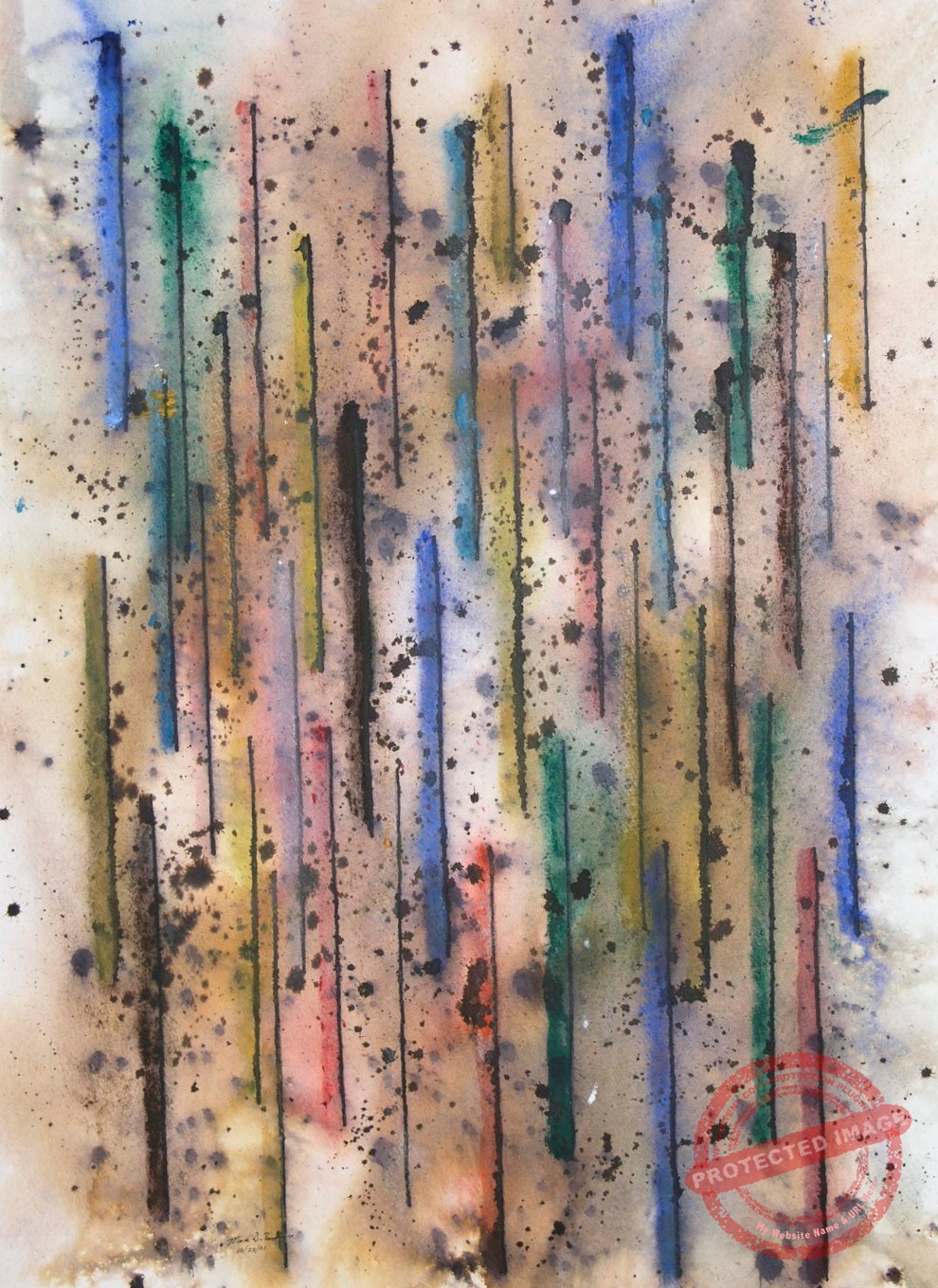
My work lives at the intersection of observation, curiosity, and experimentation. Using watercolor, mixed media, and design, I explore how light, color, and pattern shape the way we see and understand the natural world. Whether working from direct observation or memory, I’m drawn to moments where science, art, and lived experience overlap—where a simple mark can suggest movement, energy, or change.
Watercolor is central to my practice because of its unpredictability and responsiveness. I allow the medium to lead as much as I do, embracing accidents, transparency, and layered surfaces. Mixed media elements—ink, collage, graphite, and digital processes—extend this dialogue, adding structure, rhythm, and contrast. Together, these materials mirror the way we perceive the world: fluid, layered, and always in motion.
As a designer, I bring a sensitivity to composition, balance, and visual communication into my artwork. As an educator, I approach making as a form of inquiry. Teaching and creating inform one another; both are rooted in slowing down, paying attention, and learning how to truly see. My work invites viewers to look closely, notice subtle details, and reconnect with a sense of curiosity often lost in everyday life.
Photographer
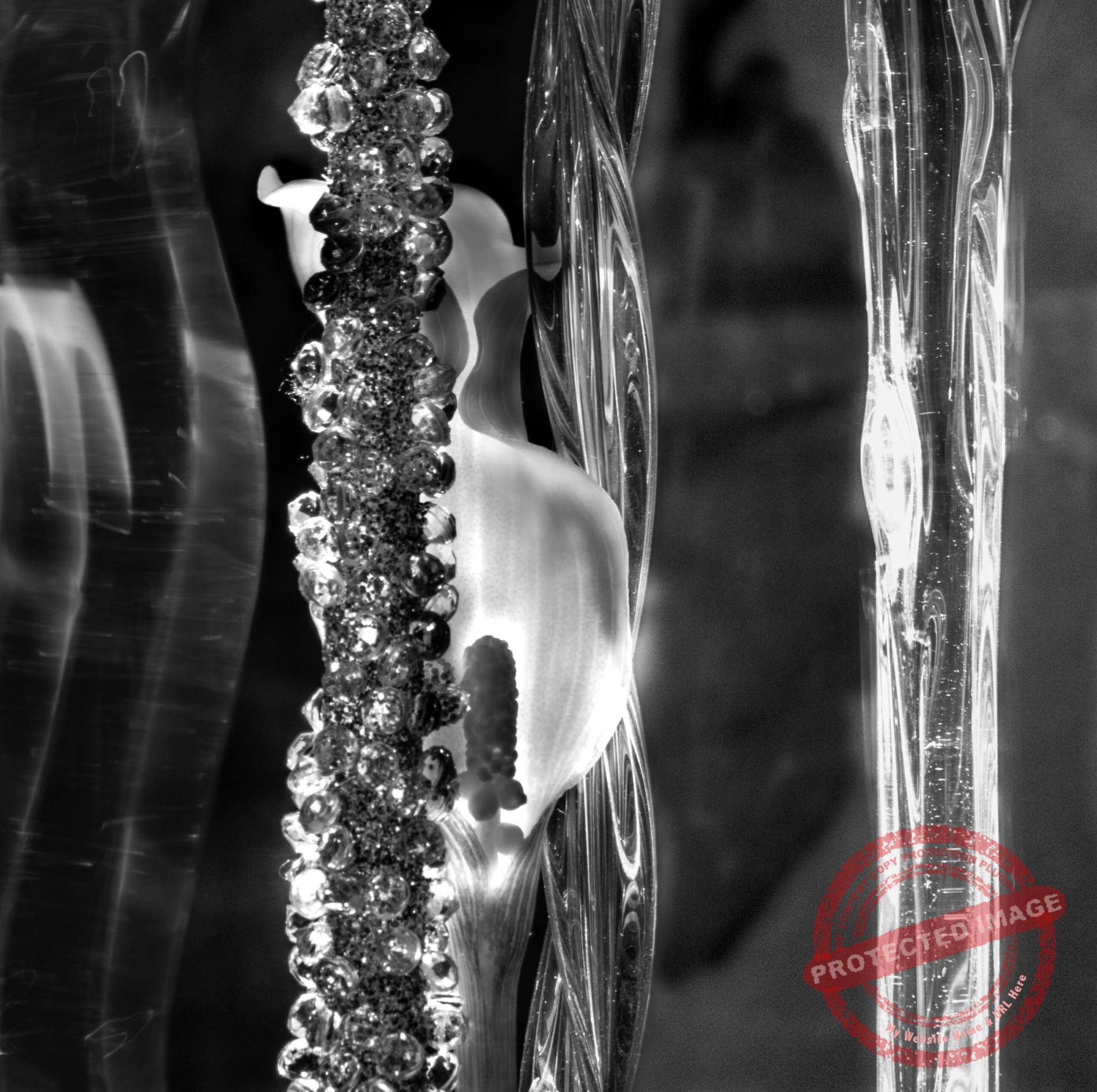
My work as a photographer is rooted in curiosity and close observation. I am drawn to moments that are fleeting and easily overlooked—the way light slips across a surface, color shifts with time and weather, or a familiar place reveals something unexpected when viewed from a new angle. Through photography, I explore how perception changes when we slow down and allow ourselves to truly see.
Light and color are central to my practice. I am interested not only in how they shape form, but in how they influence mood, attention, and memory. By experimenting with unusual perspectives, intentional framing, and subtle changes in viewpoint, I seek to move beyond straightforward representation and invite viewers into a more thoughtful, sensory experience of place.
As an educator, my creative work extends naturally into teaching. I design workshops that encourage participants to develop their own ways of seeing—through guided observation, nature walks, and hands-on photographic exploration. These experiences emphasize curiosity over technical perfection, helping people become more aware of light, pattern, rhythm, and the transient qualities of the world around them.
Photography, for me, is both a practice and a process of inquiry. Whether making images or teaching others, my goal is the same: to cultivate attention, foster creativity, and open space for seeing the ordinary in new and meaningful ways.
Science Educator
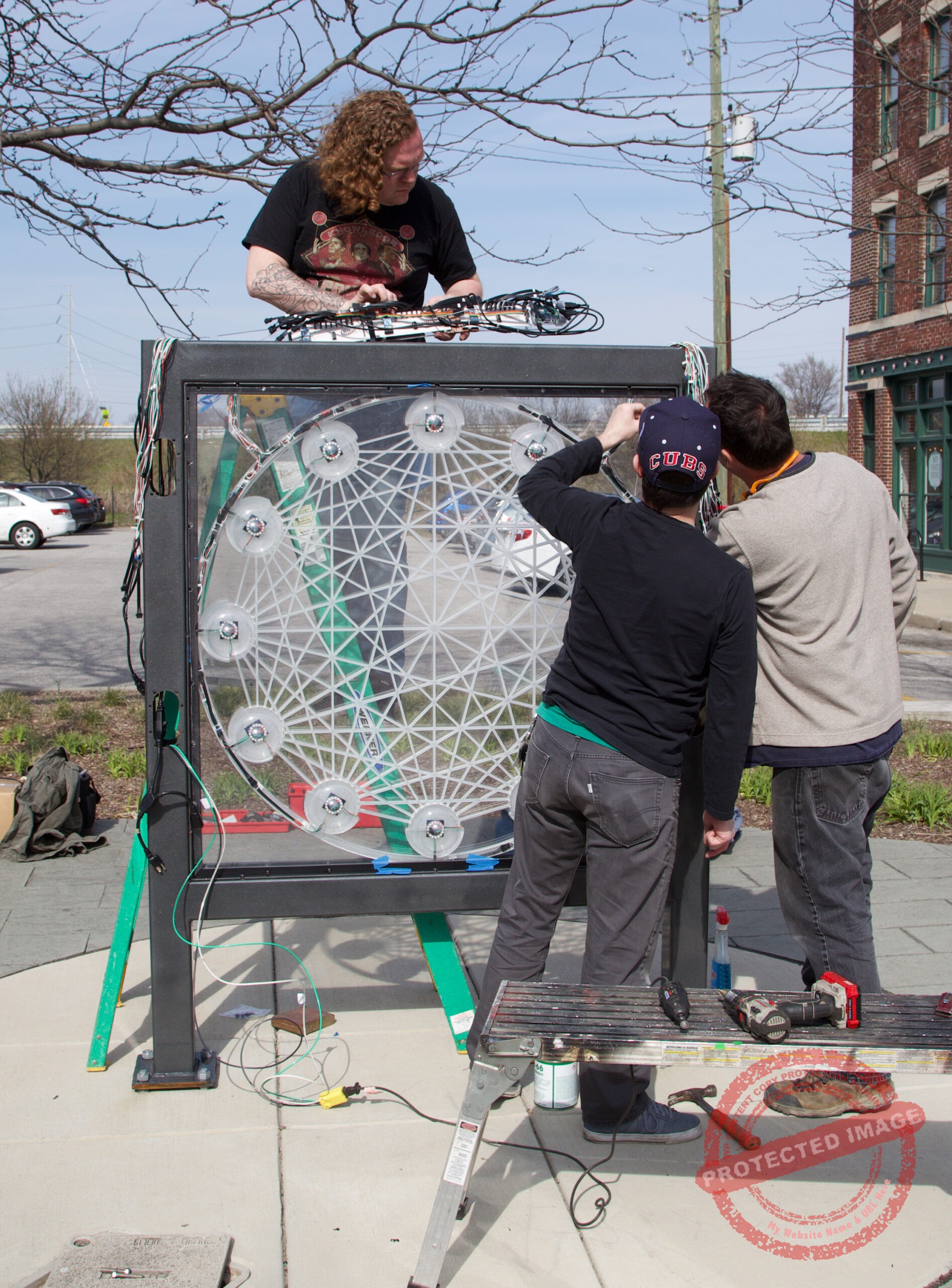
I am a science educator and exhibit designer who brings the principles of museum-based learning into public space. Drawing from the best practices of hands-on exhibit design and informal science education, my work transforms neighborhoods, parks, and everyday gathering places into sites of discovery through interactive sculptures and participatory installations.
My practice centers on the intersection of art and science, using artistic form as a powerful entry point for scientific ideas. By combining sculptural design, movement, light, and materials with scientific concepts, I create experiences that invite curiosity, experimentation, and conversation. Art becomes a bridge—lowering barriers to engagement and opening new pathways for people to connect with science in personal and meaningful ways.
I coined the term “A Museum Without Walls” to describe this approach: working beyond traditional institutions and placing learning directly in the communities where people live, work, and gather. These outdoor exhibits are designed to be encountered unexpectedly, encouraging spontaneous exploration rather than formal instruction. They function as both public art and learning tools—objects that reward touch, play, and repeated interaction over time.
Alongside the installations, I develop programs and workshops that deepen these experiences, guiding participants to explore scientific ideas through observation, creative inquiry, and hands-on experimentation. Together, the sculptures and programs reimagine how science education can exist in public life—accessible, inclusive, and woven into the everyday landscape.
At its core, my work is about expanding where and how learning happens. By merging art, science, and community, I aim to create environments that inspire curiosity, foster dialogue, and invite everyone to see the world a little differently.
Latest Series: WInter Interest
Curabitur fermentum nulla non justo aliquet, quis vehicula quam consequat. Duis ut hendrerit tellus, elementum lacinia elit. Maecenas at consectetur ex, vitae consequat augue. Vivamus eget dolor vel quam condimentum sodales. In bibendum odio urna, sit amet fermentum purus venenatis amet. Luctus lectus non quisque turpis bibendum posuere. Morbi tortor nibh, fringilla sed pretium sit amet.
About Mark
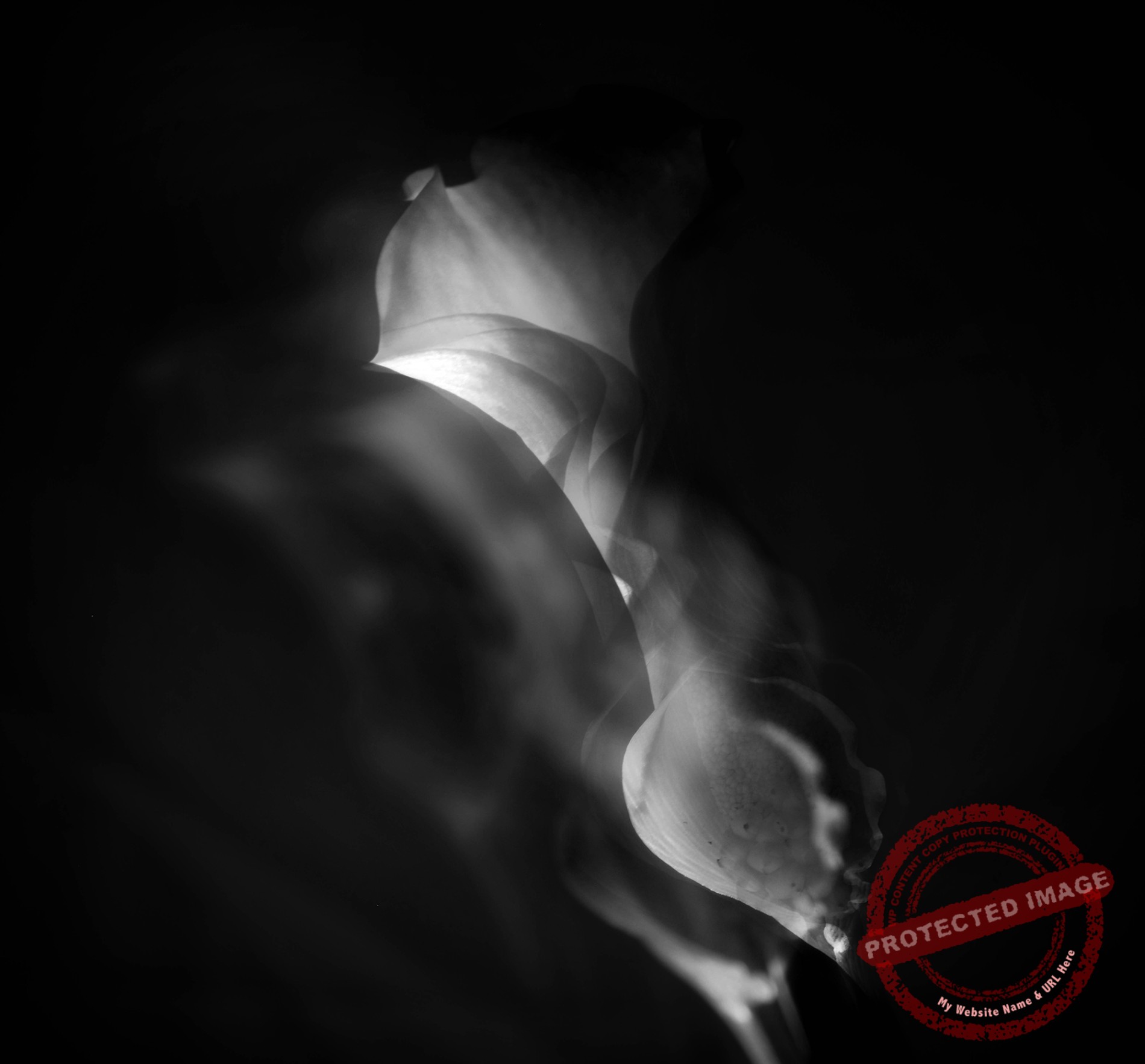
Mark Kesling is an artist, photographer, and science educator whose work explores the intersections of art, science, and perception. Across photography, watercolor, mixed media, and interactive design, his practice is rooted in observation, curiosity, and the belief that learning begins with truly seeing the world around us.
Light, color, and change are central to his work. Through photography, Kesling seeks out ephemeral moments—shifting light, subtle patterns, and overlooked details—often using unusual angles and perspectives to reveal familiar places in unexpected ways. His visual art embraces process and experimentation, allowing materials and chance to play an active role, reflecting the fluid and layered nature of perception itself.
As a science educator and exhibit designer, Kesling brings the principles of museum-based learning beyond traditional institutions and into public space. He coined the idea of “A Museum Without Walls” to describe his approach: creating interactive sculptures, outdoor installations, and neighborhood-based experiences that invite curiosity where people live, work, and gather. These works function simultaneously as public art and informal science exhibits—encouraging touch, play, and repeated engagement over time.
Education is inseparable from his creative practice. Kesling designs workshops, nature walks, and hands-on programs that encourage participants to slow down, notice light and color, and develop their own ways of seeing. By using art as an entry point into scientific exploration, his programs prioritize curiosity over expertise and invite learners of all ages to engage with science as a lived, creative process.
Ultimately, Kesling’s work is about connection—between art and science, observation and understanding, individuals and their environments. Through images, objects, and experiences, he aims to spark wonder, foster dialogue, and help people see the extraordinary within the everyday.